


Route Briefing: Los Angeles to Seoul
Eleven and a half hours of direct flying separates Los Angeles from one of the most electrifying cities on the planet, and honestly, that's a small price to pay for Seoul. Korean Air and Asiana Airlines both operate this route with a well-earned reputation for service quality, making the transpacific haul considerably more comfortable than you might expect at economy fares. When prices dip under $700 roundtrip, this is one of the genuinely great long-haul deals available from LAX — though standard fares typically run $900 to $1,200 or more, so timing your booking matters.
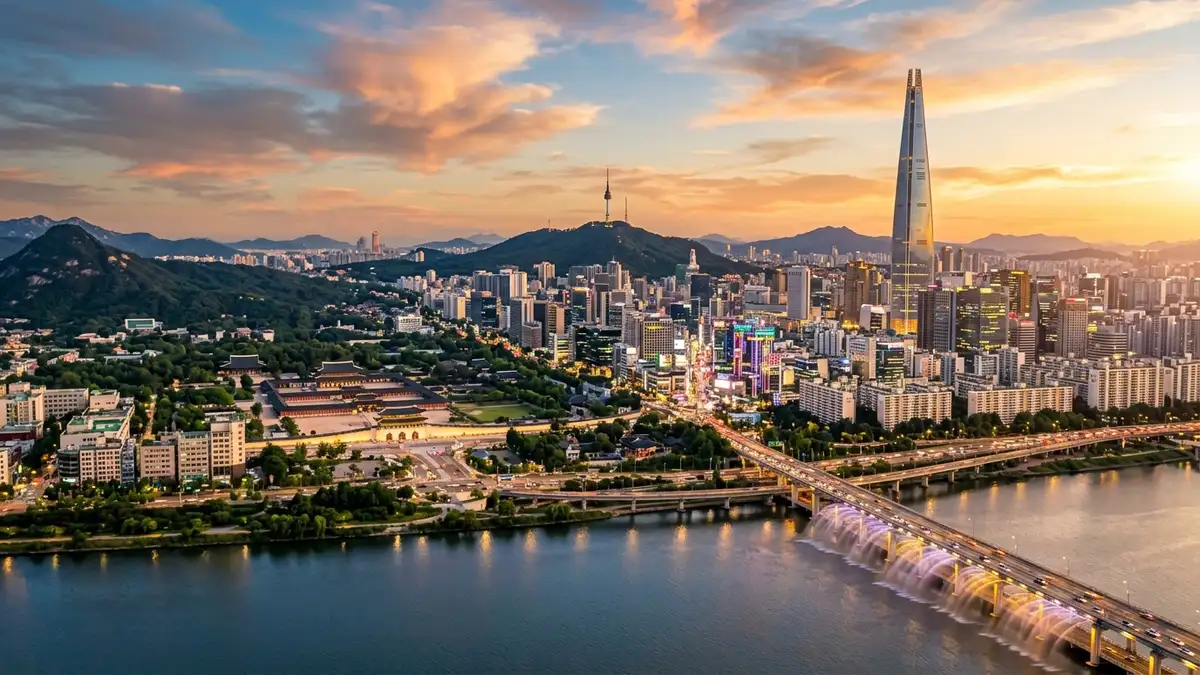
Seoul is the kind of city that rewrites your expectations daily. Ancient and modern don't just coexist here — they collide in the most thrilling way. You can spend a morning wandering the stone courtyards of Gyeongbokgung Palace, watching the changing of the royal guard in their vivid ceremonial dress, then find yourself by afternoon in the neon sprawl of Gangnam or browsing the indie boutiques and cafés of Hongdae. The street food scene alone justifies the flight: tteokbokki, Korean fried chicken, hotteok, and pajeon are everywhere and genuinely excellent, particularly around markets like Gwangjang and Myeongdong.
K-pop culture has transformed Seoul into a pilgrimage destination for fans worldwide, but even if that's not your scene, the city's energy is impossible to resist. The Han River parks, the lantern-lit alleyways of Bukchon Hanok Village, and the sheer density of great food and nightlife make Seoul endlessly rewarding.
From Incheon International Airport, the city is well connected by the AREX express train, which runs directly into central Seoul and is widely considered one of the smoothest airport rail links in Asia. It's fast, affordable, and gets you into the city without the stress of traffic.
Timing is worth thinking about carefully. July and August bring summer heat and humidity alongside the highest fares, and late December through early January sees another price spike. If your schedule allows flexibility, spring — particularly April and May — offers mild weather and the famous cherry blossoms, while autumn brings crisp air and stunning foliage. Both shoulder seasons tend to offer better fares and smaller crowds.
The smartest move is booking two to four months ahead and targeting mid-week departures. Avoiding major Korean public holidays can shave 15 to 25 percent off your fare compared to peak periods — savings that are very much worth redirecting toward extra meals in Seoul.