


Route Briefing: Miami to Madrid
There's something almost poetic about falling asleep somewhere over the Atlantic and waking up in one of Europe's most electrifying capitals. The Miami to Madrid route is one of those rare transatlantic connections that genuinely delivers — a direct flight of just eight and a half hours means you're not burning a full day in transit, and you arrive with enough energy to actually enjoy your first evening. Iberia, American Airlines, and Air Europa all serve this route year-round, giving you real flexibility on timing and price.
Speaking of price, this route rewards the patient planner. Roundtrip fares under $500 represent a genuinely strong deal, while standard pricing typically runs $800 to $1,200 or more. Book two to four months ahead, and lean toward Tuesday or Wednesday departures — weekend flights consistently cost more, and that saved money is better spent on a glass of Rioja in the Plaza Mayor. Summer is peak season, so if you're targeting June through August, locking in your tickets early isn't optional, it's essential.
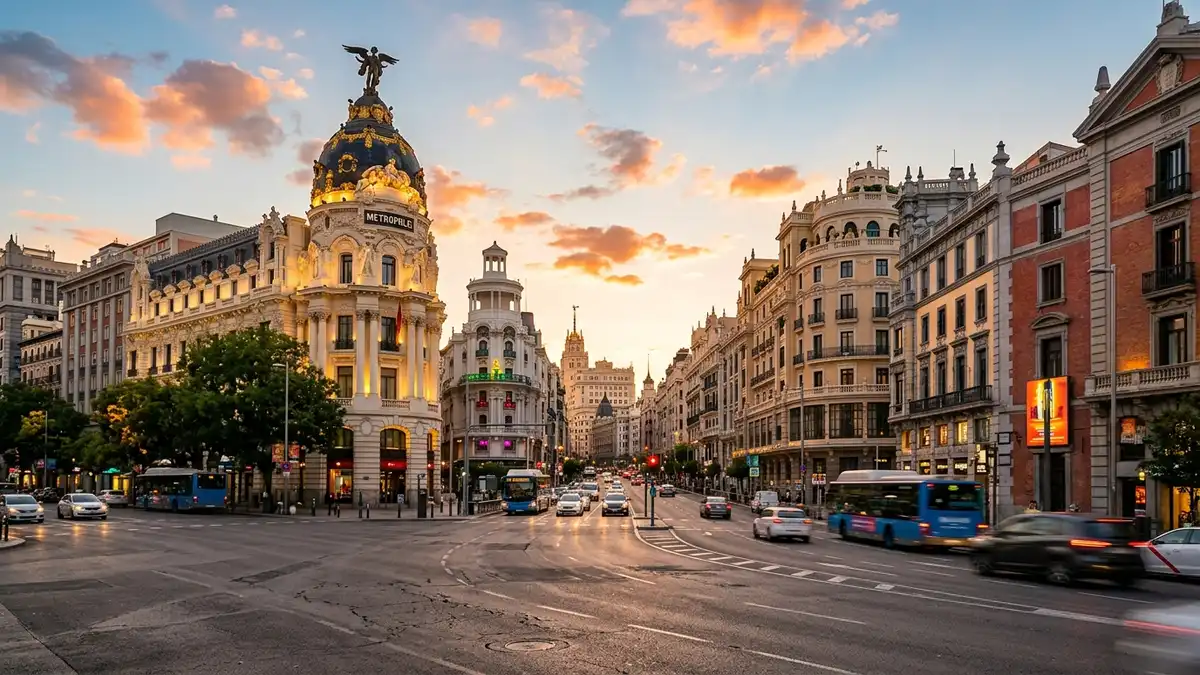
Madrid itself is the kind of city that makes you reconsider every other European capital you've visited. The Prado Museum alone could occupy days — it houses one of the world's great collections of European art, including masterworks by Velázquez, Goya, and El Bosco. But Madrid's real magic happens at street level. The tapas culture here isn't a tourist gimmick; locals genuinely eat this way, moving from bar to bar through the evening, grazing on jamón, croquetas, and patatas bravas. Flamenco performances, particularly in the traditional tablaos of the older neighborhoods, offer something visceral and unforgettable. And the nightlife runs so late that midnight feels like early evening — this is a city that genuinely doesn't sleep.
From Madrid Barajas Airport, the metro is your best friend. Line 8 connects the airport directly to the city center quickly and cheaply, making it one of the smoothest airport-to-city transfers in Europe. Skip the taxi queue on arrival and you'll be at your accommodation before most travelers have even figured out the currency.
Timing-wise, spring and early autumn are arguably the sweetest spots — the heat of July and August can be intense, and the city actually empties somewhat as locals head to the coast. May and September offer pleasant temperatures, thinner crowds at major museums, and a more authentic slice of daily Madrileño life. Whenever you go, give yourself at least five days. Madrid is a city that reveals itself slowly, and the best moments tend to happen when you stop rushing and simply follow the noise.