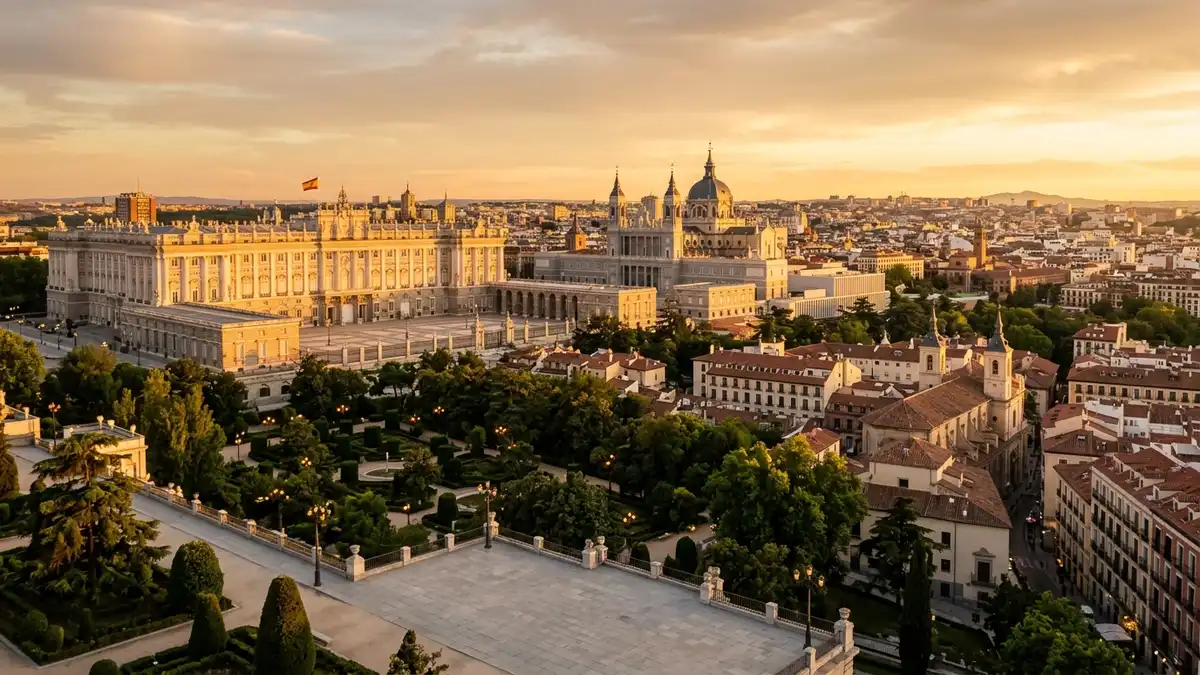



Route Briefing: San Francisco to Madrid
There's something deeply satisfying about stepping off a transatlantic flight and landing in a city that doesn't slow down for anyone — and Madrid is exactly that kind of place. From San Francisco, you're looking at roughly eleven and a half hours in the air, typically with one stop through an East Coast hub like New York or Miami, or occasionally through a European gateway. Iberia is the natural first choice to check, given that Madrid is their home turf — they often offer the most competitive fares and the smoothest connections into the city. United and American are solid alternatives worth comparing. A genuinely good deal on this route comes in under $600 roundtrip, while standard pricing tends to run between $900 and $1,200 or more, so the savings when you catch a fare drop are real and meaningful.
Timing matters here. Summer — June through August — is peak season, when the city buzzes with festivals, outdoor terraces, and long golden evenings that stretch past ten o'clock. If you're targeting those months, start searching three to five months out. Flying mid-week rather than over a weekend can shave a noticeable chunk off your fare, and booking directly through Iberia's hub routing frequently surfaces better prices than other combinations.
Once you land at Adolfo Suárez Madrid-Barajas Airport, the city centre is straightforward to reach. The metro connects the airport directly to central Madrid and is one of the most affordable and efficient options available — a practical choice for anyone traveling light.
Madrid itself rewards the curious and the unhurried in equal measure. The Prado Museum alone could justify the flight — one of the world's great art collections, housing Velázquez, Goya, and El Greco under one roof. But the city's real magic lives in its rhythms: long lunches that bleed into afternoon, tapas bars where a glass of wine comes with a small plate of food, and a nightlife culture that genuinely doesn't get started until midnight. Flamenco performances, particularly in the traditional tablaos of the older neighbourhoods, offer something visceral and unforgettable.
The one tip worth carrying with you: adjust to Madrid time immediately and resist the urge to eat on a San Francisco schedule. Spaniards dine late — lunch around two or three in the afternoon, dinner rarely before nine. Lean into it, and the city opens up in ways that early risers simply miss. That's the insider rhythm that separates a good Madrid trip from a great one.