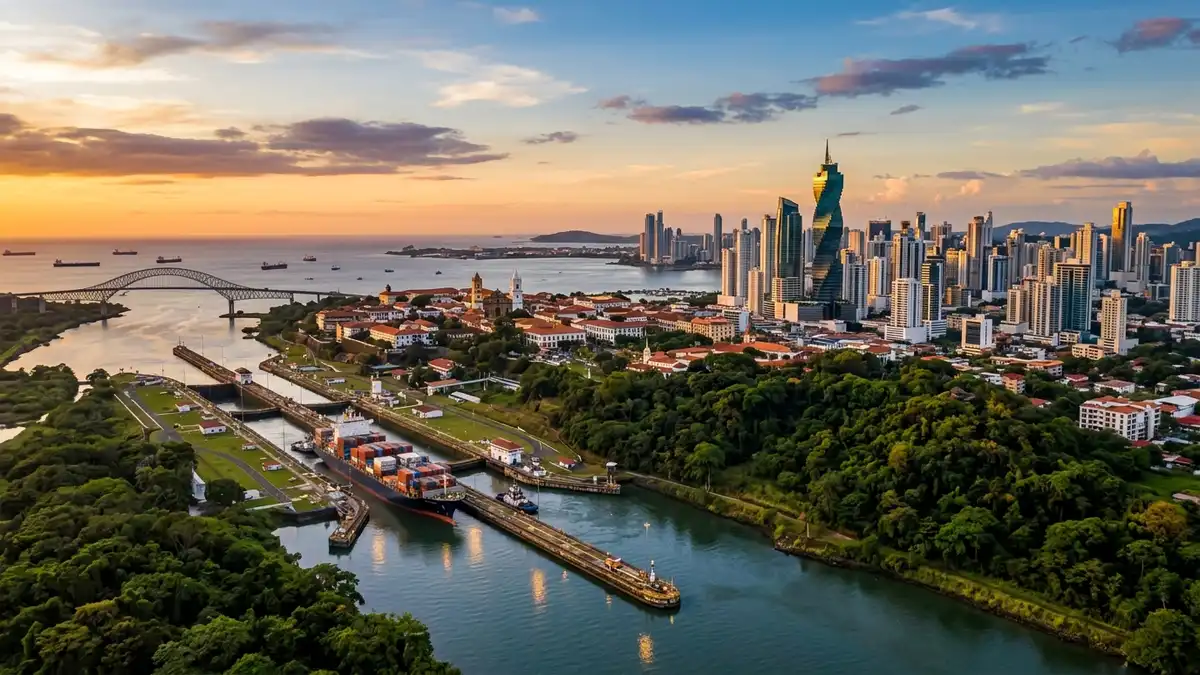



Route Briefing: Miami to Panama City
Just three hours and fifteen minutes from Miami, Panama City punches well above its weight as a destination — and this short hop across the Caribbean is one of the most rewarding flights you can take out of South Florida. You're essentially trading one cosmopolitan waterfront for another, except the one waiting for you has a centuries-old colonial quarter, one of the greatest feats of human engineering on the planet, and howler monkeys within city limits.
Copa Airlines operates this route as something of a home game — Panama City's Tocumen International is their hub, which means reliable schedules and solid service. American and United also fly the route regularly, giving you genuine competition that keeps fares honest. If you can snag a roundtrip under $300, grab it without hesitation — that's a genuinely good deal on this route. Standard fares tend to hover above $450, so booking four to eight weeks ahead gives you the best shot at the lower end of the pricing spectrum. Flying Tuesday through Thursday rather than over the weekend can shave another ten to fifteen percent off your ticket, which is real money worth keeping in your pocket for the trip itself.
Once you land at Tocumen, taxis and app-based ride services are your most straightforward options into the city center. The airport sits east of the city, so factor in some travel time depending on traffic.
Panama City rewards curious travelers on multiple levels. Casco Viejo, the UNESCO-listed old quarter, is genuinely one of the most atmospheric neighborhoods in the Americas — crumbling colonial facades alongside beautifully restored boutique hotels and restaurants, all perched on a peninsula with the Pacific glittering behind it. Then there's the Panama Canal itself, an experience that somehow exceeds expectations even when you know exactly what you're coming to see. The Miraflores Locks visitor center lets you watch massive container ships navigate the locks up close, and the scale of it is quietly staggering.
The city also sits at a remarkable ecological crossroads. Soberanía National Park is practically on the urban doorstep, offering some of the most accessible tropical birding and wildlife watching anywhere in the world.
Timing matters here. December through January brings dry, breezy weather and is peak season for good reason — the city is at its most comfortable and festive. July also sees a surge in visitors. If you prefer fewer crowds and don't mind the occasional afternoon downpour, the shoulder months on either side of those peaks offer a quieter, often cheaper experience with the city still fully operational.
One genuinely useful tip: build at least one extra day into your itinerary beyond the canal visit. Panama City has a habit of revealing itself slowly, and the travelers who rush through almost always wish they'd stayed longer.