


Route Briefing: New York to Panama City
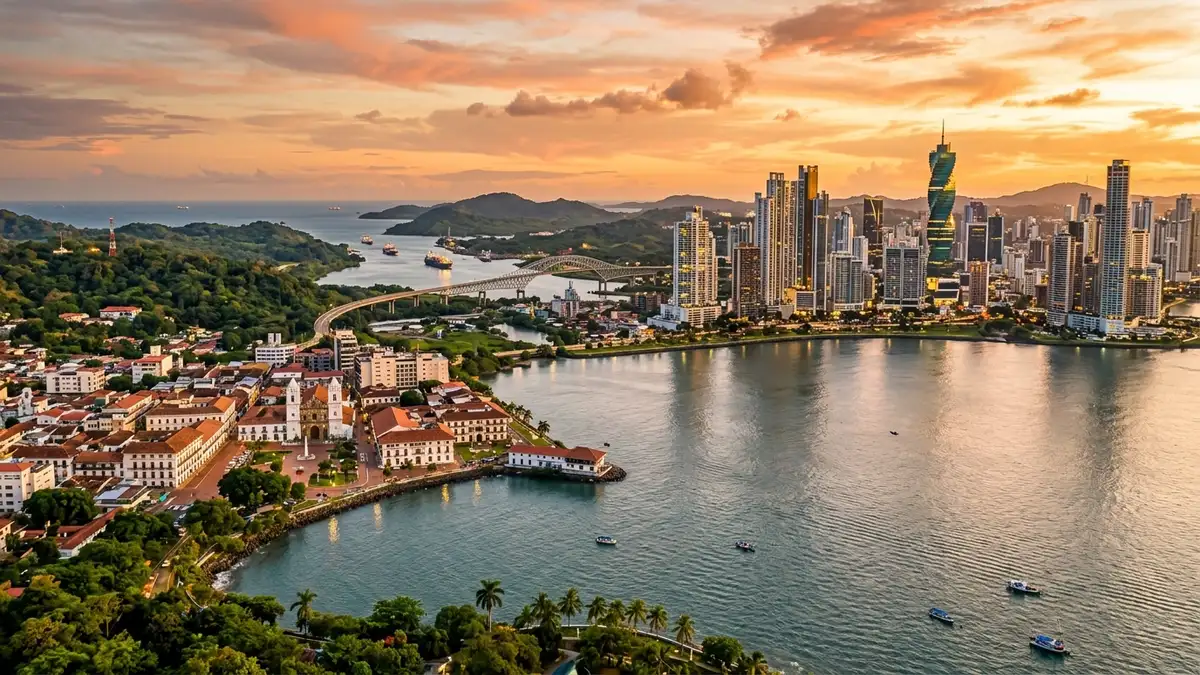
Five and a half hours from New York and you're stepping off the plane into a city that genuinely surprises people. Panama City doesn't fit the Central America stereotype most travelers carry in their heads — this is a skyline of glass towers rising alongside a four-hundred-year-old colonial neighborhood, all wrapped in humid tropical air and backed by one of the most consequential feats of engineering in human history. For under $350 roundtrip when you catch a good fare, it's one of the most undervalued long-weekend escapes available from any of the New York metro airports.
Copa Airlines is your best friend on this route. As Panama's home carrier operating out of Tocumen International Airport — which serves as the main hub for connections across Latin America — Copa frequently offers the sharpest nonstop pricing from JFK and EWR. American and United also fly the route, so it's worth checking all three, but Copa tends to win on price for direct service. Book six to eight weeks out for the best shot at those sub-$350 fares.
Timing matters here. December through January brings drier, more comfortable weather and is peak season, meaning higher fares and more crowds. July is also busy. If you want a sweet spot, aim for the shoulder months — you'll find better prices and the city is still very much alive and functioning. Panama City is genuinely a year-round destination; even the rainy season brings warm temperatures and typically afternoon showers rather than all-day downpours.
From Tocumen Airport, taxis and ride-share apps will get you into the city center, and it's worth agreeing on a fare or using a metered option to avoid surprises. The drive into the city gives you your first glimpse of that improbable skyline.
Once you're there, the two anchors of any visit are the Panama Canal and Casco Viejo. The Miraflores Locks visitor center lets you watch massive container ships navigate the canal up close — it's genuinely jaw-dropping and more emotional than you'd expect. Casco Viejo, the old colonial quarter on a small peninsula, is a UNESCO World Heritage Site with beautifully restored plazas, churches, and a relaxed café culture that rewards slow wandering. The seafood here is exceptional — ceviche in particular is a local obsession worth leaning into hard.
The practical tip worth remembering: Panama uses the US dollar, so there's zero currency exchange friction for American travelers. Your money works exactly as it does at home, which makes budgeting and tipping effortless and removes one of the usual travel headaches entirely.