


Route Briefing: Mumbai to Lagos
There's something quietly thrilling about a Mumbai-to-Lagos connection — two of the world's great megacities, both bursting with commerce, chaos, and culture, linked by a route that feels genuinely off the beaten path for most Indian travellers. At around 17 and a half hours with one stop, it's a commitment, but the reward is landing in Africa's most electrifying urban playground.
Ethiopian Airlines and Kenya Airways handle this route particularly well, routing you through Addis Ababa or Nairobi respectively. Both hubs are efficient, and the connections tend to be smooth. If you're watching your wallet, these two carriers consistently undercut the competition — snag a fare under $900 roundtrip and you've done very well. Standard pricing climbs above $1,300, so booking two to four months ahead is genuinely worth the discipline. Emirates also flies the route for those who prefer a Dubai connection and a few extra comfort points.
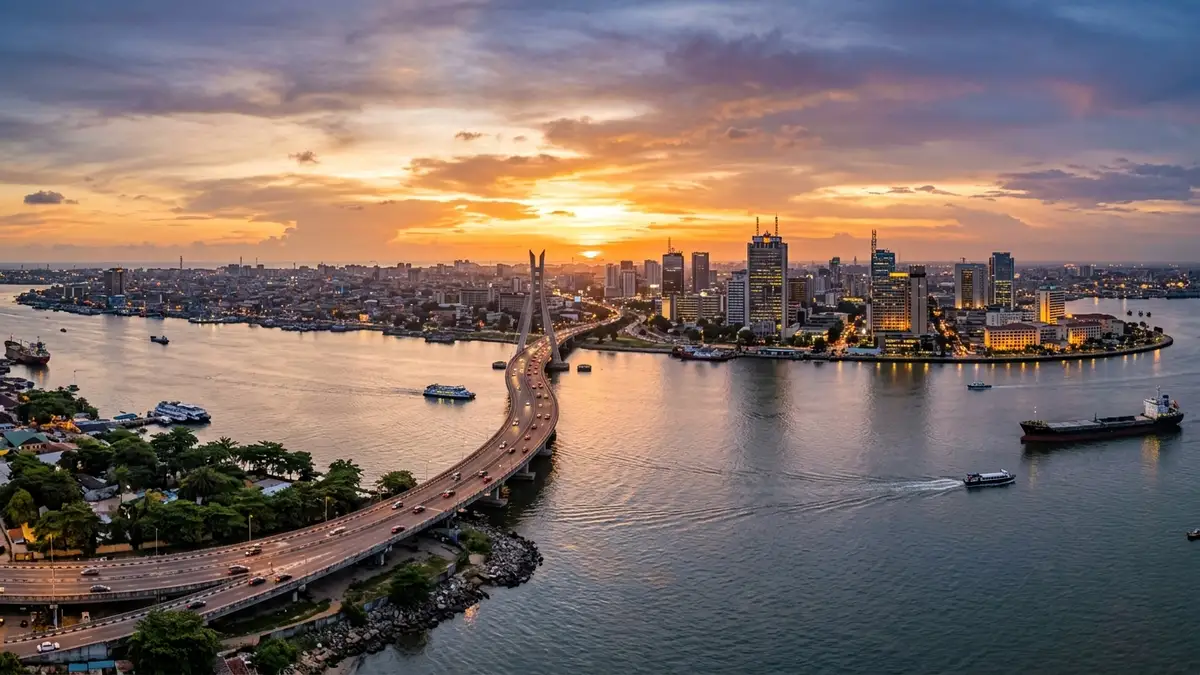
Lagos rewards the curious and the prepared in equal measure. This is Nigeria's economic engine and the heartbeat of Afrobeats — the genre that has taken over global playlists originates here, and you can feel that creative energy everywhere, from the art galleries of Victoria Island to the street food stalls of the mainland. The Lagos Lagoon shapes the city's geography in fascinating ways, and the contrast between the gleaming towers of the business districts and the vibrant, densely packed neighbourhoods beyond them is something no amount of reading quite prepares you for.
Timing matters here. December through January brings a festive, celebratory atmosphere as the Nigerian diaspora returns home — the city is alive but also noticeably busier and pricier. July and August represent the other peak window. If you prefer a slightly calmer experience and better value on accommodation, the shoulder months on either side of these peaks are worth considering, though Lagos is genuinely a year-round destination.
On arrival at Murtala Muhammed International Airport, be prepared for a busy, bustling entry process — patience is your best travel companion here. Have your accommodation address clearly noted and arrange your onward transport in advance rather than improvising at the kerb.
The one tip that consistently makes a difference: connect with locals through Lagos's thriving food scene. Nigerian cuisine — jollof rice, suya, egusi soup — is deeply regional and deeply proud, and eating where residents eat rather than sticking to hotel restaurants will give you a far richer sense of the city than any landmark tour. Lagos doesn't reveal itself immediately, but it rewards those who lean in.