


Route Briefing: Washington D.C. to Havana
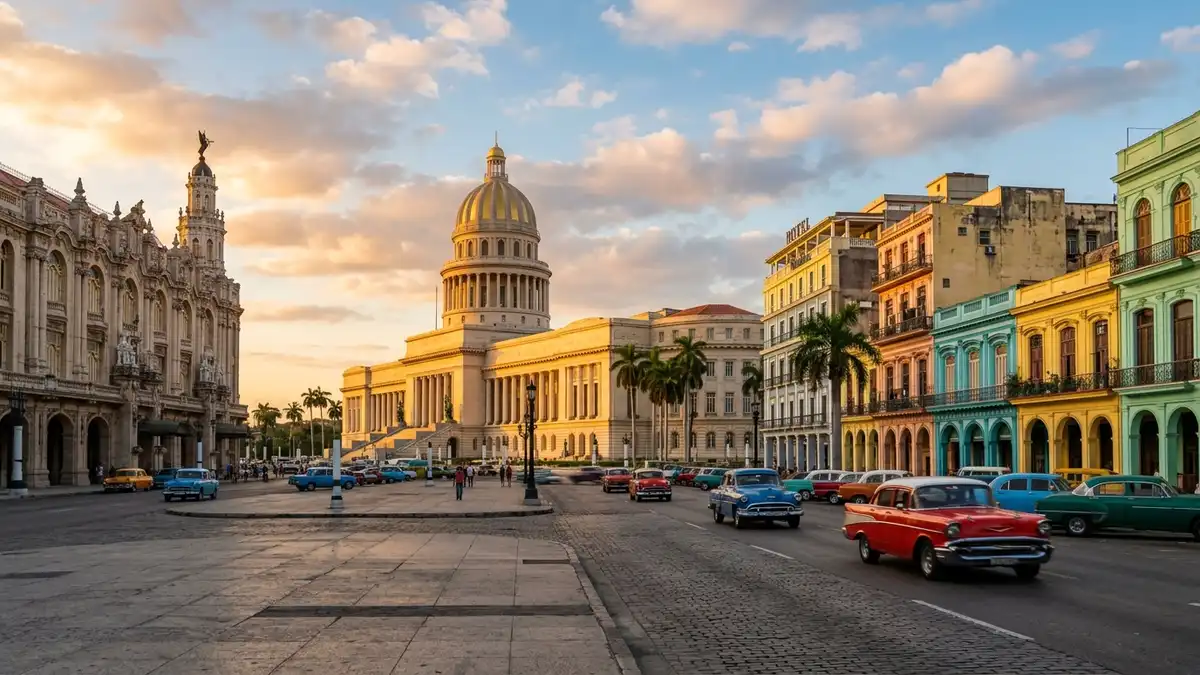
Just three and a half hours from Washington D.C. and you're stepping into one of the most visually arresting cities on the planet — a place that genuinely feels like nowhere else on Earth. Havana is the kind of destination that stops you mid-stride. Classic American cars from the 1950s roll past crumbling colonial facades painted in faded yellows and blues, salsa drifts out of open doorways, and the Malecón seawall stretches along the Caribbean in a long, romantic arc. It's a city that rewards slow walking and genuine curiosity.
Flying out of IAD or DCA, you'll find American Airlines, JetBlue, and Southwest all operate this route, which gives you a reasonable amount of flexibility for what is actually a heavily regulated corridor. Because U.S. travel restrictions limit who can go and how, seat availability tends to be tighter than on a typical Caribbean route. Book two to four months ahead — this isn't a last-minute deal destination. A roundtrip under $350 is genuinely good value here; standard fares climb to $500–$700 or more, so setting a fare alert through FlightKitten and moving quickly when prices dip is well worth the effort.
One thing to sort before you even search for flights: U.S. citizens must travel under a valid legal category — family visits, educational travel, and people-to-people exchanges are among the recognized purposes. Make sure your category is legitimate and documented, because this isn't a formality you can skip.
On arrival at José Martí International Airport, taxis are the most straightforward way into the city center, and it's worth agreeing on a fare before you get in. Cuba operates a dual currency system that has been in transition, so do your research on the current monetary situation before you go — it affects everything from where you eat to how you pay for accommodation.
Timing matters here. December and January are peak season, drawing visitors with reliably dry weather and a festive atmosphere, but that also means higher fares and busier streets. The shoulder months on either side offer a gentler experience and more room to breathe.
The single best tip for making the most of Havana? Bring enough cash. U.S. credit and debit cards do not work in Cuba, full stop. ATM access for American travelers is essentially nonexistent. Arrive with more dollars or euros than you think you'll need, exchange them on arrival, and you'll move through the city with ease. Havana is a place that gets under your skin fast — the music, the light, the warmth of the people. Three and a half hours from the capital, and it feels like a different world entirely.