


Route Briefing: Amsterdam to Panama City
Flying from Amsterdam to Panama City is one of those routes that genuinely rewards the effort. Yes, it's a 13-and-a-half-hour journey with a stop, but what waits on the other end is a city unlike anything else in Central America — a place where gleaming skyscrapers rise alongside colonial ruins, and one of the greatest feats of human engineering sits just minutes from the city centre.
Copa Airlines, KLM, and Iberia all serve this route year-round, and Copa frequently offers the sharpest fares, routing through their hub in Panama City itself. If you can lock in a roundtrip under $600, you're doing well — standard fares creep above $900, so timing matters. Book two to four months ahead and you'll have the best shot at those lower prices. Peak demand hits in December and January, when the dry season draws visitors from across Europe, and again in July and August during the European summer holidays. If flexibility is on your side, travelling in the shoulder months around those windows can mean quieter streets and more breathing room in your budget.
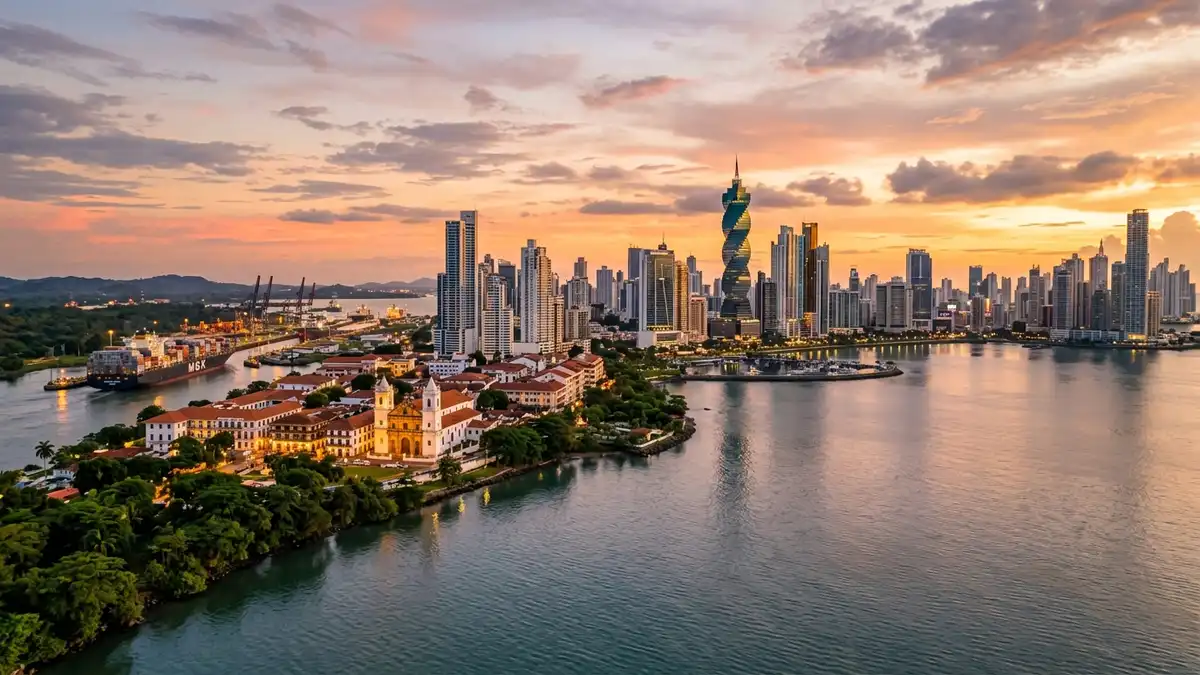
Panama City's Tocumen International Airport is well-connected to the city, and taxis and app-based ride services are readily available at arrivals — it's a straightforward transfer into the urban centre. Once you're there, the contrast hits you immediately. Casco Viejo, the old quarter, is a UNESCO-listed neighbourhood of crumbling Spanish colonial architecture, colourful facades, and rooftop bars with views across the bay. It's the kind of place you wander into for an hour and emerge from three hours later, slightly sunburned and very happy.
Then there's the Panama Canal — specifically the Miraflores Locks, where you can watch enormous container ships navigate one of the world's most audacious infrastructure projects. It's genuinely jaw-dropping, even if you think you're not the type to get excited about engineering. The Biomuseo, designed by Frank Gehry, tells the story of how the isthmus of Panama transformed global biodiversity, and it's worth a half-day of anyone's time.
The food scene leans heavily on fresh seafood, with ceviche being the dish to seek out repeatedly. The local cuisine blends Caribbean, Spanish, and Indigenous influences in ways that feel distinctly Panamanian rather than derivative.
One practical tip worth knowing: Panama uses the US dollar as its currency, which removes any exchange rate anxiety for European travellers and makes budgeting refreshingly simple from the moment you land.