


Route Briefing: Chicago to Tokyo
Chicago to Tokyo is one of those routes that genuinely earns its flight time. At around 13 hours and 30 minutes nonstop, you're looking at a long haul — but the payoff is landing in what many seasoned travelers consider the most compelling city on earth. ANA and JAL are the standout carriers on this route, both offering exceptional service standards that make the crossing considerably more comfortable than your average long-haul experience. United also operates the route if you're working with miles or prefer a domestic carrier.
Fares under $700 roundtrip represent genuine value here — snap those up immediately when FlightKitten surfaces them. Standard pricing runs $1,000 to $1,400 or more, so patience and planning pay off. Book three to six months ahead, and try to fly mid-week rather than on weekends. Avoiding Japanese national holidays can shave a meaningful chunk off your fare compared to peak departure days.
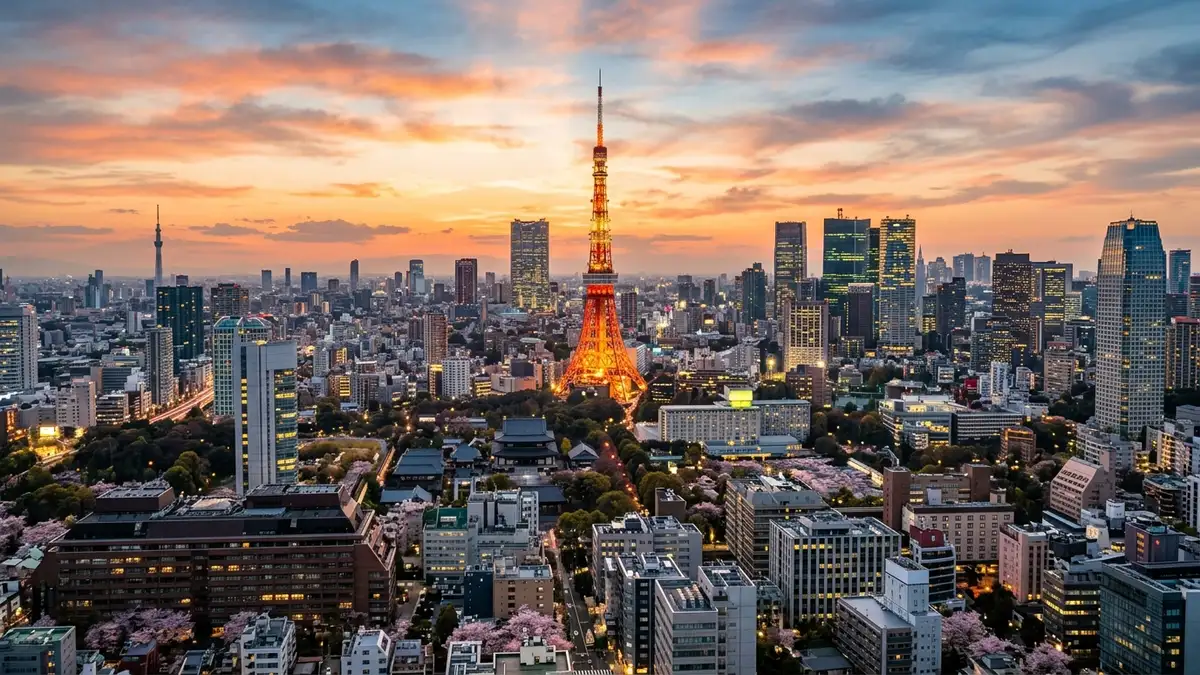
Tokyo itself is almost impossible to oversell. It's a city where a 400-year-old Shinto shrine sits a short walk from a department store with six floors of electronics, and somehow neither feels out of place. Shibuya, Shinjuku, Asakusa, Harajuku — each neighborhood operates like its own distinct world. The food culture alone justifies the flight: Tokyo has more Michelin-starred restaurants than any other city on the planet, but equally memorable meals happen at tiny ramen counters and conveyor-belt sushi spots that cost next to nothing.
From Narita Airport, the Narita Express train connects directly to central Tokyo stations including Shinjuku and Shibuya, making it one of the more straightforward airport arrivals you'll encounter in a major Asian city. If you arrive at Haneda, which sits much closer to the city center, rail connections into Tokyo are even quicker.
Timing matters enormously on this route. Late March through early April is cherry blossom season — one of the most beautiful natural spectacles in the world, and worth every bit of the premium pricing and crowds it attracts. Book as early as possible if that's your window. July and August are popular but hot and humid. For a sweet spot of pleasant weather, thinner crowds, and better fares, consider traveling in autumn when the city turns gold and crimson with fall foliage — a genuinely underrated time to visit.
One tip that transforms the experience: buy a Suica or Pasmo IC card as soon as you arrive. These rechargeable transit cards work on virtually every train, subway, and bus in Tokyo, and even at many convenience stores. It eliminates the friction of buying individual tickets and lets you move through the city the way locals do — which, in Tokyo, is the only way to truly feel it.