


Route Briefing: Miami to Tokyo
Miami to Tokyo is one of those routes that genuinely rewards the effort. Yes, you're looking at around seventeen and a half hours of travel with a connection, but what's waiting on the other end is arguably the most layered, endlessly surprising city on the planet. Tokyo doesn't just meet your expectations — it quietly dismantles them and rebuilds them into something better.
The route runs year-round, with American Airlines, Japan Airlines, and United Airlines among the main carriers connecting Miami to Narita or Haneda. Japan Airlines in particular is worth seeking out for the quality of their service and the care they bring to long-haul travel — small things add up over a flight that long. A roundtrip fare under $700 is genuinely a great deal on this route; standard pricing typically lands between $1,000 and $1,400 or more, so when you spot something below that threshold on FlightKitten, it's worth jumping on quickly.
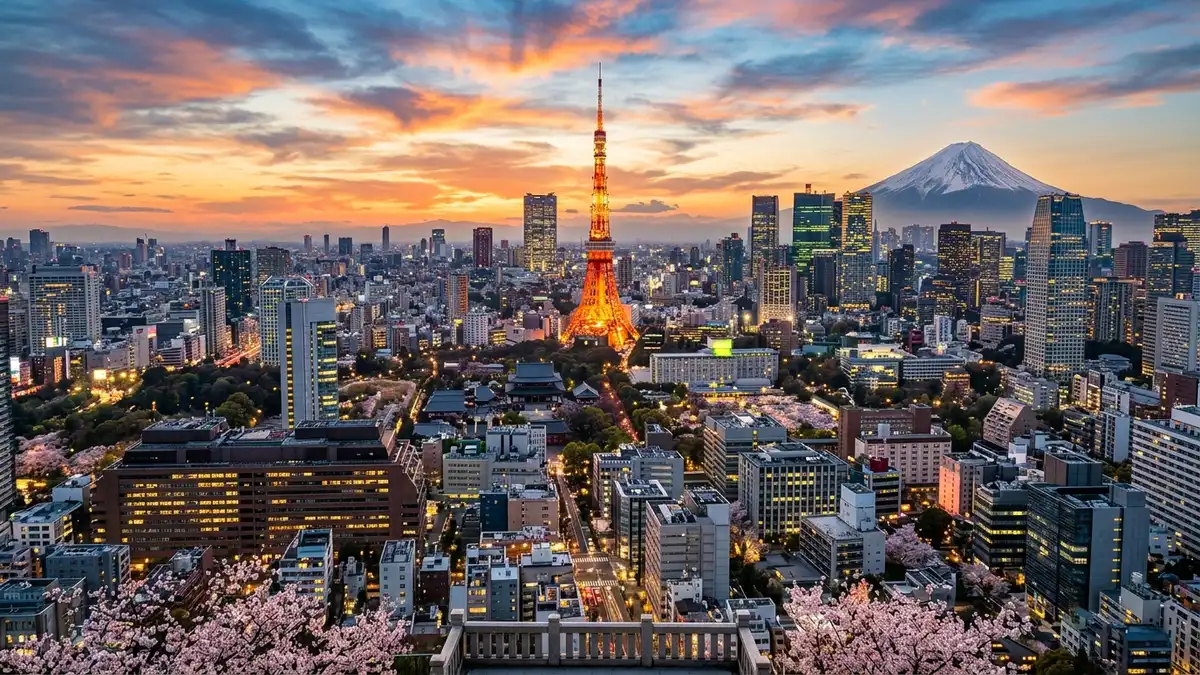
Timing matters enormously here. Peak season runs July through August and again around late December into early January, when prices climb and crowds follow. The sweet spots are the shoulder seasons — February through March and October through November — where you can realistically save 20 to 30 percent compared to summer fares. February and March carry the added magic of cherry blossom season approaching, with late March into early April being the famous bloom window. Autumn brings vivid foliage and cooler, comfortable temperatures. Either way, you're trading crowds and cost for some of Tokyo's most beautiful moments.
On arrival, both Narita and Haneda connect to central Tokyo via reliable rail options. The Narita Express runs directly into Shinjuku and other major hubs, while Haneda sits closer to the city and offers quick access by train or monorail. Either way, you won't need a taxi.
Tokyo itself operates on a scale that's hard to prepare for. The city holds more Michelin-starred restaurants than anywhere else in the world, yet an exceptional bowl of ramen from a tiny counter spot might cost just a few dollars. Neighborhoods like Shibuya, Shinjuku, Yanaka, and Asakusa each feel like distinct cities within the city — ancient temples sitting a short walk from neon-lit arcades and department stores that go ten floors deep. The subway system is famously efficient and, once you grab an IC card at the airport, remarkably easy to navigate.
Book three to six months out for the best fares, travel in shoulder season if your schedule allows, and let Tokyo do the rest. Few cities in the world justify a seventeen-hour journey this convincingly.