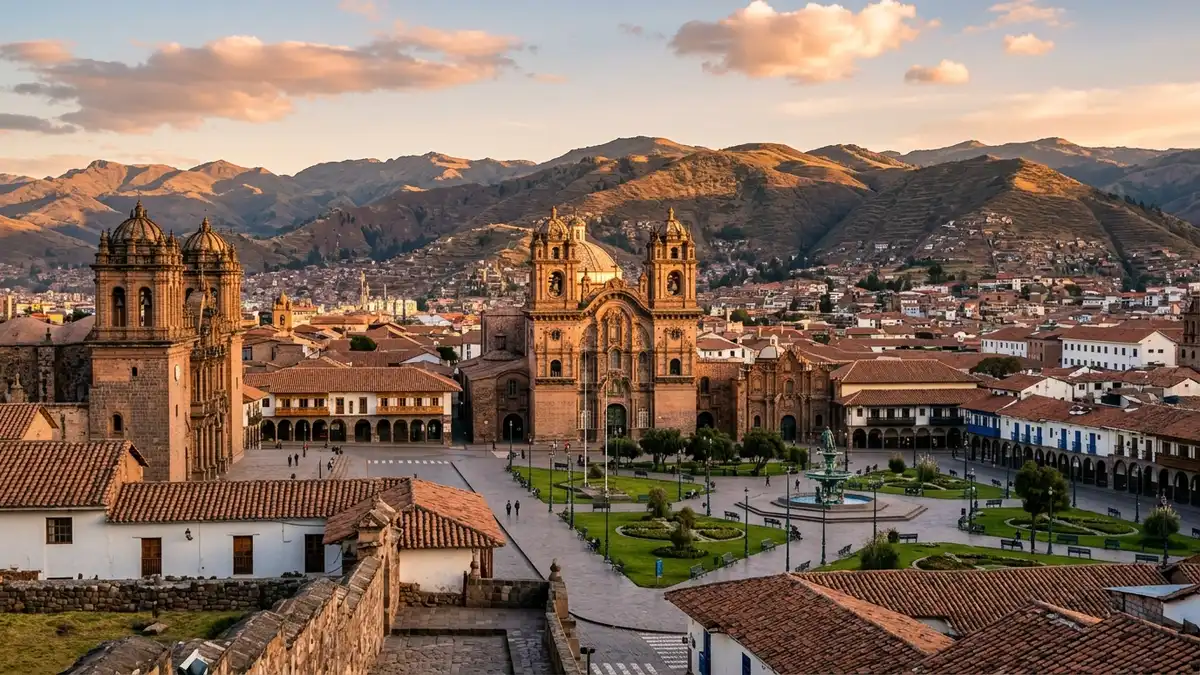



Route Briefing: Denver to Cusco
Denver to Cusco is one of those routes that genuinely rewards the effort of getting there. Yes, you're looking at around thirteen and a half hours of travel with one or two stops — most commonly through Lima or Bogotá — but what waits on the other end is one of the most extraordinary cities on earth. The former capital of the Inca Empire sits at roughly eleven thousand feet above sea level, draped in colonial Spanish architecture built directly on top of ancient Inca stonework. That layering of civilizations is visible everywhere you look, and it gives Cusco an atmosphere unlike anywhere else in the Americas.
The altitude is the first thing to take seriously. Coming from Denver, you're already accustomed to elevation, which genuinely helps — but Cusco sits significantly higher than the Mile High City, and your first day or two should be spent resting, drinking plenty of water, and letting your body adjust. Coca tea, widely available throughout the city, is a traditional local remedy that many travelers swear by.
Cusco itself is far more than a launching pad for Machu Picchu, though the train journey to the ancient citadel remains one of the great travel experiences in the world. The city's central Plaza de Armas is stunning, surrounded by cathedral architecture that took centuries to build. The San Blas neighborhood, with its winding cobblestone streets and artisan workshops, rewards slow exploration on foot. And the Peruvian food scene here is genuinely world-class — ceviche, lomo saltado, and roasted guinea pig are all worth trying.
LATAM Airlines, American, and United all serve this route, typically connecting through Lima. For the best fares out of Denver, aim to book two to four months ahead — roundtrip tickets under six hundred dollars represent a genuinely good deal on this route, while last-minute bookings can push well past nine hundred. Flying mid-week rather than on weekends can shave another ten to fifteen percent off your fare, which adds up on a longer international route like this.
June through August is peak season, when dry weather makes trekking and sightseeing ideal, but also when crowds and prices peak. The shoulder months on either side offer a compelling balance of manageable weather and thinner crowds.
One tip worth remembering: build at least one full acclimatization day into your itinerary before attempting any serious hiking or the trip to Machu Picchu. Rushing that adjustment is the single most common mistake first-time visitors make, and it can genuinely derail an otherwise incredible trip.