


Route Briefing: Houston to Panama City
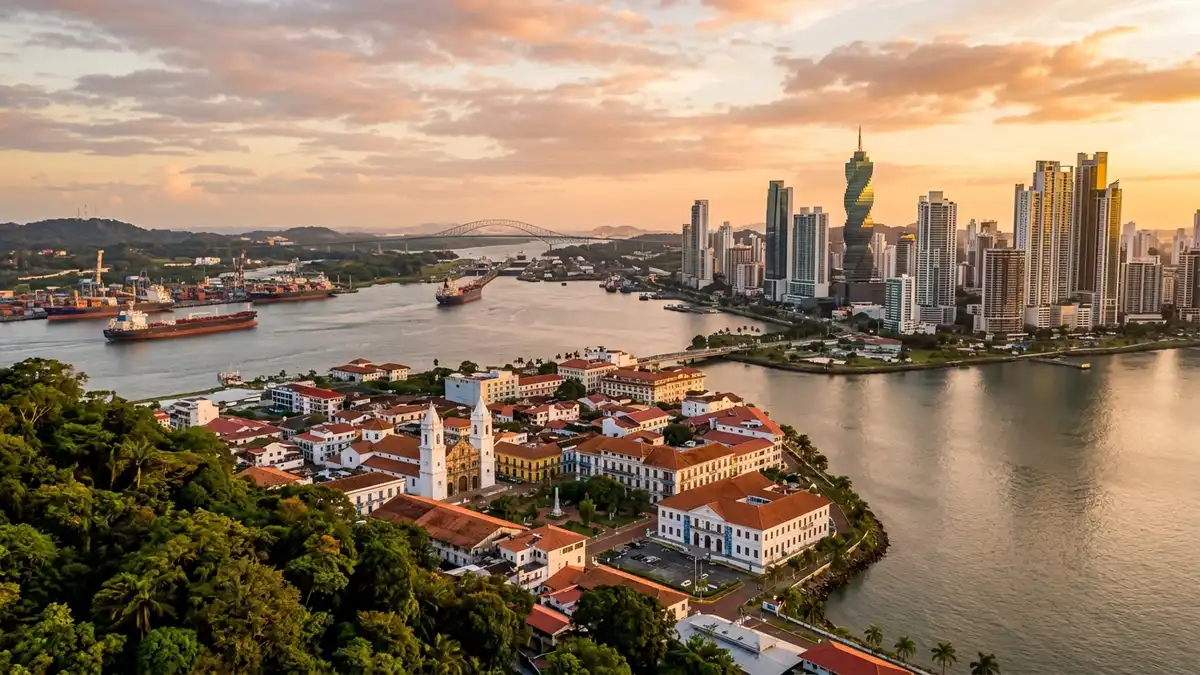
Four and a half hours from Houston and you're stepping into a city that genuinely defies every expectation people have of Central America. Panama City is a skyline of glass towers rising above a tropical bay, a colonial neighborhood that feels like Havana's cooler cousin, and one of the greatest feats of human engineering sitting right on its doorstep. For Texans, this route is one of the most underrated quick escapes on the map.
Copa Airlines runs the most frequent direct service between IAH and Tocumen International Airport, and they're consistently your best bet for competitive pricing on this corridor. United also operates the route, giving you solid options when fares shift. Speaking of fares — anything under $350 roundtrip is a genuinely good deal here, so set a price alert and move fast when you see it. Standard pricing climbs to $550 and beyond, which makes timing your booking critical. Aim to lock in tickets six to eight weeks before you travel, and you'll be in the sweet spot.
Tocumen is a well-organized hub, and getting into the city is straightforward — taxis and ride-share apps are readily available at the airport, and the drive into the main hotel districts takes roughly 30 to 45 minutes depending on traffic.
Once you're there, the Panama Canal is the obvious first stop, and it absolutely earns the hype. Watching massive container ships navigate the Miraflores Locks is one of those experiences that makes you feel small in the best possible way. The visitor center there does an excellent job of explaining the engineering and history. From the canal, pivot to Casco Viejo, the UNESCO-listed old quarter, where crumbling colonial facades sit alongside beautifully restored boutique hotels, rooftop bars, and some of the city's best restaurants. The neighborhood has real energy, especially in the evenings.
Panama City also sits at the edge of remarkable biodiversity — day trips into the rainforest, boat rides through the canal's protected watershed, and wildlife encounters are genuinely accessible without leaving the metro area.
For timing, December through January and July through August are peak seasons, bringing more crowds and higher prices. The shoulder months on either side offer a quieter, often cheaper experience. Panama is tropical year-round, so expect warmth and humidity regardless of when you visit — pack light, breathable clothing.
The one tip that consistently pays off: if you're planning to explore beyond the city, use Panama as a hub rather than just a destination. The country is compact and remarkably diverse, and a few extra days can take you to beaches, cloud forests, or indigenous communities that most visitors never reach.