


Route Briefing: London to Johannesburg
Few long-haul routes from London reward the journey quite like the flight down to Johannesburg. At around eleven and a half hours direct, it's a serious commitment — but the moment you land at O.R. Tambo International Airport and feel the warm, high-altitude air of the Highveld, you'll understand immediately why so many Londoners keep coming back. British Airways, South African Airways, and Virgin Atlantic all operate this route year-round, and departing from Heathrow gives you the widest choice of direct services and typically the most competitive pricing. If you can snag a roundtrip under $700, you're doing very well — standard fares tend to sit between $1,000 and $1,400, so booking three to six months ahead is genuinely worth the calendar planning.
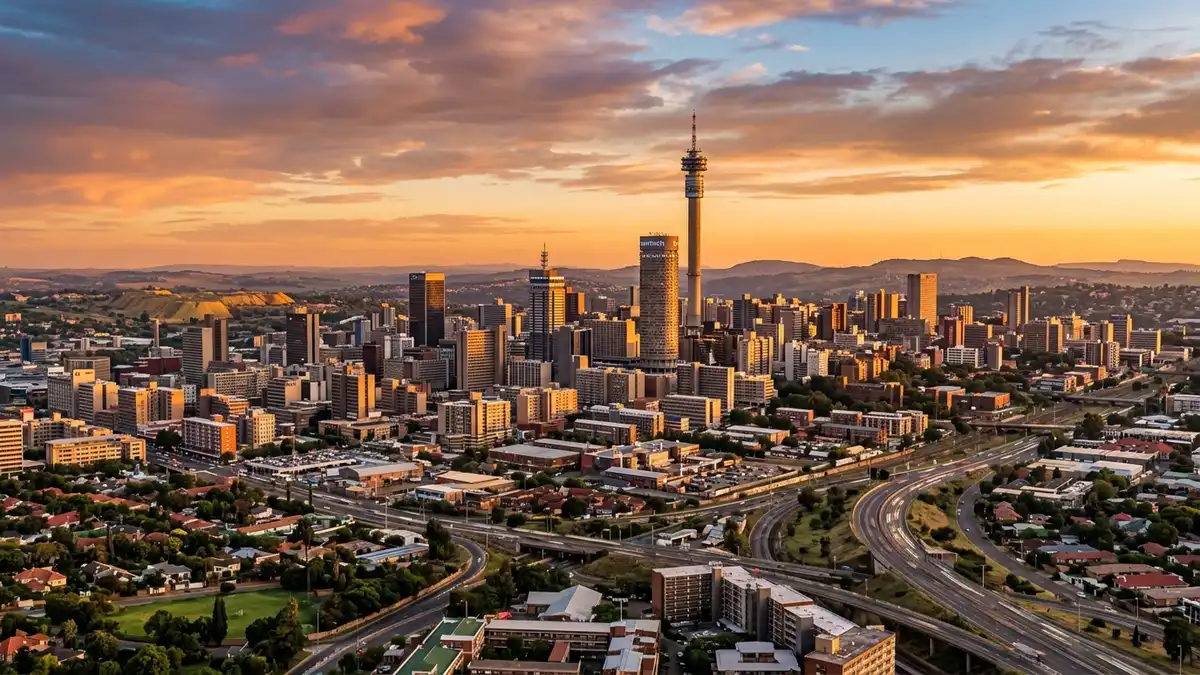
Johannesburg is one of those cities that confounds expectations. It's raw, energetic, and deeply layered — a place where the weight of history sits alongside a genuinely exciting contemporary culture. The Apartheid Museum is one of the most powerful and thoughtfully constructed museums anywhere in the world; set aside a full half-day and go in without rushing. Soweto, the sprawling township southwest of the city, is essential — not as a voyeuristic detour but as a living, breathing neighbourhood with its own restaurants, galleries, and the homes of both Nelson Mandela and Desmond Tutu on the same street, which remains a remarkable fact. The city's arts and dining scene, particularly in areas like Maboneng and Rosebank, has grown into something genuinely worth exploring on its own terms.
From O.R. Tambo, the Gautrain rapid rail service connects the airport directly to Sandton and Rosebank in around fifteen minutes — it's fast, safe, affordable, and far more reliable than navigating Johannesburg's road traffic after a long overnight flight. Get a Gautrain card before you leave the arrivals hall.
Timing matters here. June through August is the Southern Hemisphere winter — dry, sunny, and excellent for game viewing in nearby reserves since the bush thins out and animals congregate around water sources. December is peak summer and peak prices, coinciding with South African school holidays. If you want the sweet spot of good weather, thinner crowds, and lower fares, shoulder months like April, May, or September are worth serious consideration.
The one tip that genuinely changes the trip: don't treat Johannesburg as merely a transit point to a safari. Give it two or three full days. The city will surprise you, challenge you, and almost certainly earn a place on your list of places to return to.