


Route Briefing: Los Angeles to Mauritius
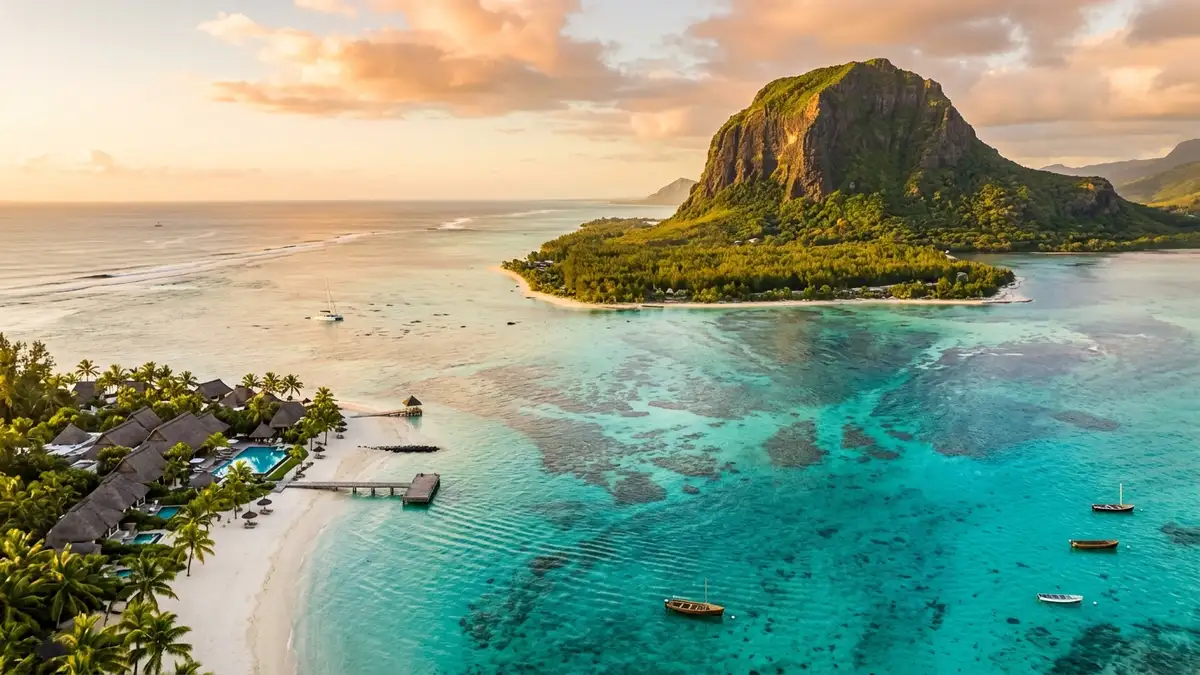
Getting yourself from Los Angeles to Mauritius is no small commitment — you're looking at around 20 and a half hours in the air with one stop — but the moment you descend toward that impossibly blue Indian Ocean and spot the volcanic peaks rising from the lagoons below, every hour of travel instantly justifies itself. This is one of those routes where the destination genuinely earns the journey.
Your best bets for getting there are Emirates connecting through Dubai, or South African Airways routing through Johannesburg. Both connections tend to offer the most competitive pricing, and if you can snag a roundtrip under $1,200, you're doing very well — standard fares typically run $1,800 or more, so flexibility and planning ahead make a real difference here. Aim to book four to six months out, particularly if you're eyeing the peak windows of July through August or December through January, when the island fills with European summer escapees and holiday travelers.
Mauritius rewards visitors with something genuinely rare: a place where luxury and cultural richness coexist without one overshadowing the other. The island's Creole heritage is a beautiful blend of African, Indian, French, and Chinese influences, and you'll taste all of it in the food — fresh seafood, fragrant curries, and street snacks that reflect centuries of layered history. The beaches along the western and northern coasts offer calm, reef-protected lagoons perfect for swimming and snorkeling, while the interior opens up into tea plantations, waterfalls, and the otherworldly landscape of the Black River Gorges National Park.
When you land at Sir Seewoosagur Ramgoolam International Airport, taxis are the most straightforward way to reach your accommodation, and it's worth agreeing on a fare before you set off rather than relying on a meter. The drive to the popular western resort areas takes roughly an hour depending on traffic.
Timing-wise, the shoulder seasons of May through June and September through November offer a sweet spot — the weather is generally pleasant, crowds thin out considerably, and fares drop noticeably from peak levels. The cyclone season runs roughly from November through April, with the highest risk in January and February, so if you're traveling in those months, travel insurance is genuinely worth the investment rather than an afterthought.
One tip that pays dividends: if you're routing through Dubai on Emirates, even a modest layover gives you a chance to break up that long haul without it feeling like a burden. Mauritius is worth every hour it takes to get there — just make sure you book smart and give yourself enough time to actually exhale once you arrive.