


Route Briefing: New York to Mauritius
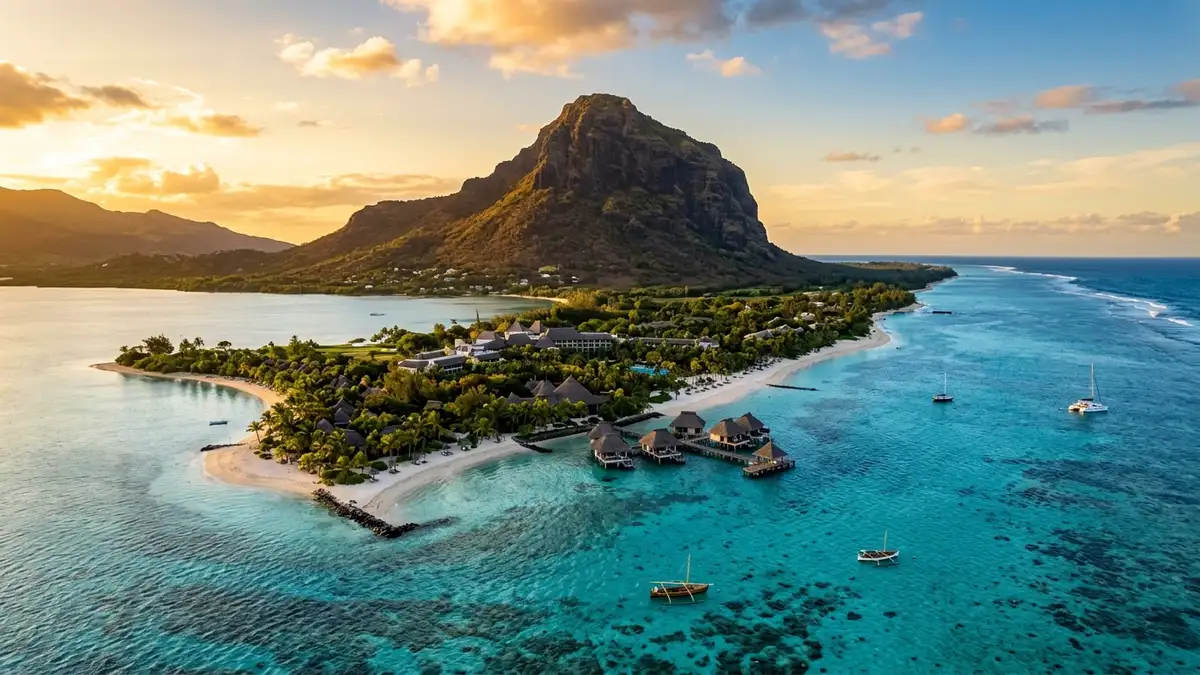
Few destinations on earth justify a 20-plus hour journey quite like Mauritius. This small volcanic island in the Indian Ocean sits surrounded by some of the clearest, warmest water you'll ever see — a place where the lagoons genuinely look like the screensaver you've been staring at for years, except real and within swimming distance of your beach towel. For New Yorkers willing to commit to the travel time, the reward is an island that somehow blends French colonial elegance, Indian spice markets, Creole street food, and pristine coral reefs into one remarkably cohesive experience.
Getting there from New York means connecting, and your choice of layover actually shapes the trip. Emirates routing through Dubai is a perennial favorite — the connection is smooth, the airline's long-haul comfort is well-regarded, and the pricing is often competitive. Air France through Paris is another strong option, particularly if you want to break the journey with a night in the French capital. Air Mauritius also serves the route. Budget-wise, anything under $1,400 roundtrip is a genuine deal worth jumping on. Standard fares typically run $1,800 to $2,500 or more, so setting a fare alert through FlightKitten well ahead of your travel window is genuinely worthwhile. Book four to six months out — this route has limited seats and prices climb as departure approaches.
Timing matters here. July through August and December through January are peak seasons, drawing visitors with reliably warm weather and festive atmosphere. That said, peak also means higher prices and busier beaches. The shoulder months can offer a sweeter balance of good weather and calmer crowds, though Mauritius does experience a cyclone season roughly between November and April, so check conditions if you're traveling in those months.
On arrival at Sir Seewoosagur Ramgoolam International Airport, taxis and pre-booked hotel transfers are the standard way to reach your accommodation. Many resorts offer direct shuttle arrangements, which is worth confirming before you land after a very long flight.
The practical tip that makes the biggest difference: don't spend your entire trip inside a resort. Mauritius has a vibrant local food culture — curries, dholl puri flatbreads, fresh seafood — that you'll find at roadside stalls and local markets at a fraction of resort prices. Renting a car for a day or two lets you explore the island's interior, including its tea plantations and crater lakes, and gives you a far richer sense of this place than the beach alone ever could.