


Route Briefing: Singapore to Cusco
Singapore to Cusco is about as far as two cities can get from each other on this planet, and that distance is precisely the point. This is not a casual weekend hop — it's a commitment, a pilgrimage almost, to one of the most extraordinary places human civilization has ever produced. When you finally step off that final connection and feel the thin Andean air hit your lungs, you'll understand immediately why people make this journey from the other side of the world.
The route runs 28 hours or more with at least two stops, and routing through Miami or Lima tends to give you the best combination of price and total travel time. LATAM Airlines, American Airlines, and United Airlines are your main players here. A genuinely good deal comes in under $900 roundtrip — standard pricing sits between $1,200 and $1,800 or more — so this is a route that rewards patience and planning. Book three to six months ahead, because seat availability on this multi-stop routing is legitimately limited and prices climb steeply as departure approaches.
Cusco itself sits at roughly 11,000 feet above sea level, and that's the first thing every visitor needs to take seriously. Altitude sickness is real and it doesn't discriminate based on fitness level. Give yourself at least a full day to acclimatize before attempting anything strenuous — drink plenty of water, take it slow, and consider coca tea, which locals swear by and is widely available throughout the city. Your body will thank you.
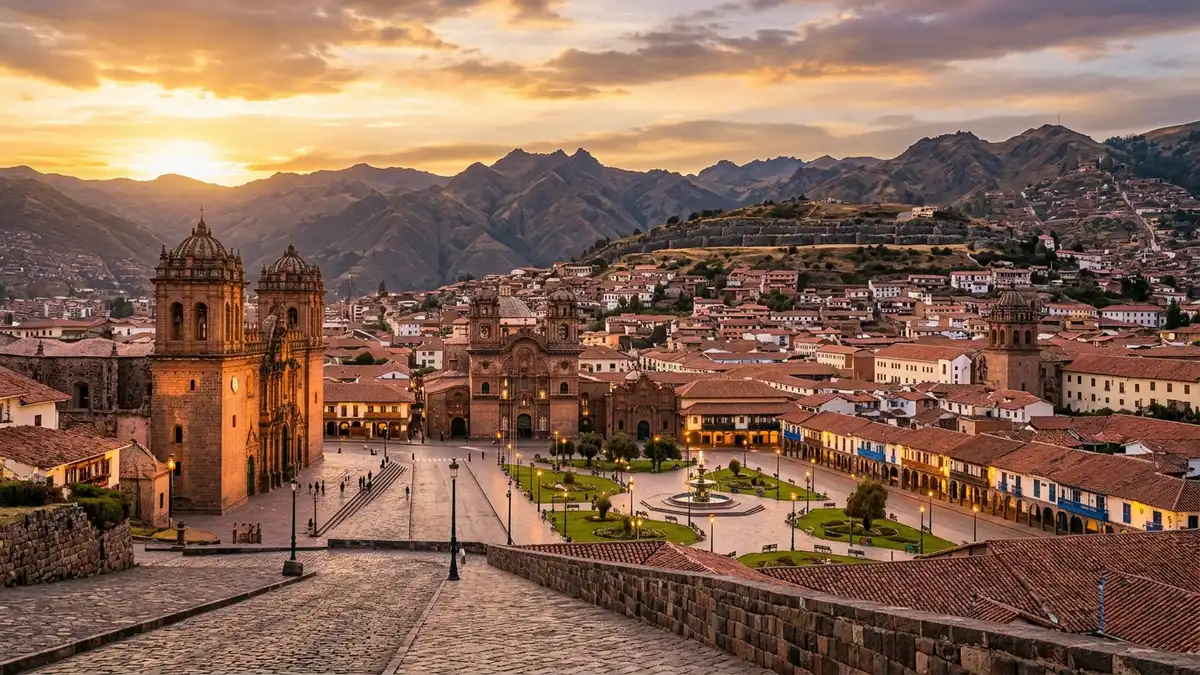
Once you've found your altitude legs, Cusco rewards you generously. The historic centre is a UNESCO World Heritage Site where Inca stonework — some of the most precise masonry ever created — forms the literal foundations of Spanish colonial churches and mansions. The Plaza de Armas is a magnificent centrepiece, and the surrounding streets are dense with history at every turn. Machu Picchu is the obvious headline act, reached by train from nearby Ollantaytambo, and it genuinely lives up to every photograph you've ever seen of it.
Peak season runs June through August, when the dry season makes for clear skies and ideal trekking conditions on routes like the Inca Trail. This is also when crowds and prices peak, so if you prefer a quieter experience, the shoulder months on either side offer a reasonable compromise.
The most useful tip for a route this long: if your layover in Lima allows it, even a few hours in the city is worth stepping outside the airport for. Lima has one of the most celebrated food cultures in South America, and a meal there turns a gruelling transit into a genuine experience. Consider it a bonus destination built into your journey rather than dead time to endure.