


Route Briefing: Washington D.C. to Panama City
Five and a half hours from the halls of power in Washington to one of the most fascinating cities in the Western Hemisphere — that's the kind of travel math that should have you opening a browser tab right now. The D.C. to Panama City route runs year-round, and with Copa Airlines frequently offering the most competitive nonstop fares out of both IAD and DCA, you have real options for keeping costs in check. Lock in a roundtrip under $350 and you've genuinely scored; anything under that threshold is a deal worth jumping on. Book six to eight weeks out for the best shot at those prices, and keep an eye on Copa specifically — they treat Panama City as their home hub, which tends to work in your favor.
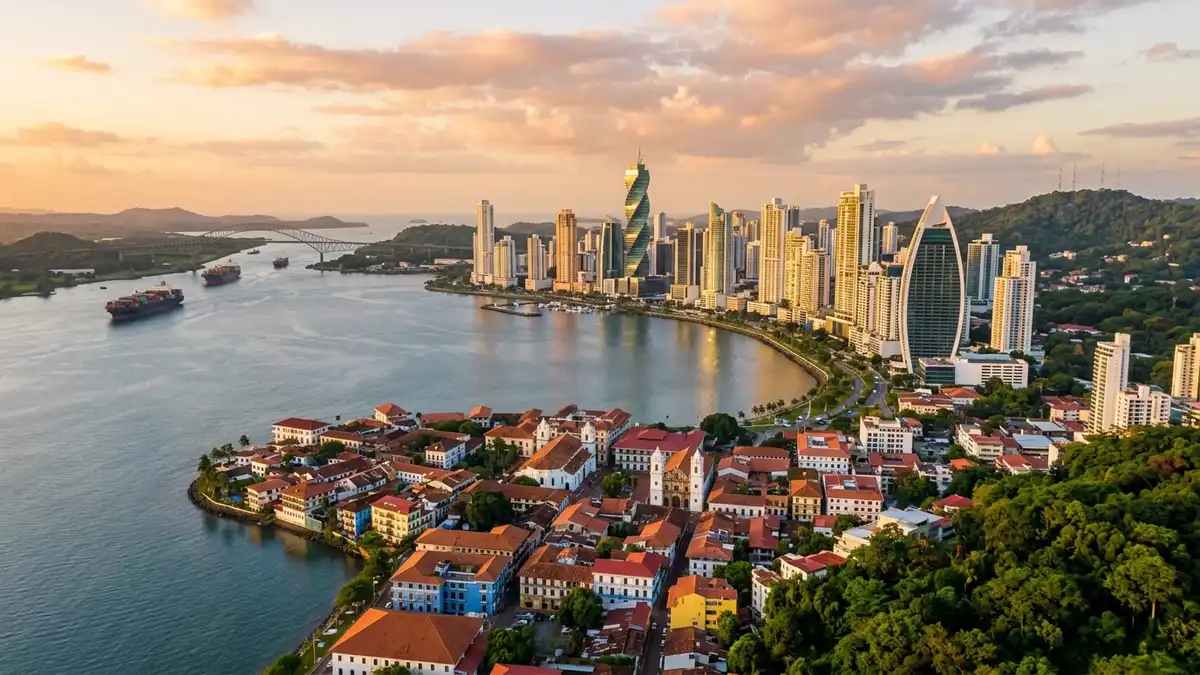
Panama City defies every cliché you might have about Central America. This is a skyline-studded, genuinely cosmopolitan city sitting at the crossroads of two oceans, and the energy here is unlike anywhere else in the region. The Panama Canal remains one of the great engineering achievements in human history, and watching massive container ships navigate the locks at Miraflores is the kind of experience that quietly rearranges your sense of what humans are capable of building. Give it at least a few hours — it earns every minute.
Then there's Casco Viejo, the old colonial quarter, where crumbling Spanish-era churches sit beside rooftop bars and beautifully restored boutique hotels. The neighborhood has been undergoing a long renaissance, and wandering its narrow streets at golden hour is one of those travel moments that photographs can't quite capture. The food scene here reflects Panama's remarkable cultural mix — Afro-Caribbean, Spanish, Indigenous, and Asian influences all show up on the plate in ways that reward adventurous eating.
What surprises most first-timers is how close genuine wilderness sits to this urban core. The rainforests of Soberanía National Park are practically at the city's doorstep, and birdwatchers in particular find Panama almost absurdly rewarding — the country sits on one of the great migratory corridors of the Americas.
Timing matters here. December through January brings dry, breezy weather and is understandably popular, as is July. If you want fewer crowds and lower hotel rates, the shoulder months around March through May can offer a reasonable compromise, though you should expect some afternoon rain during the wet season. Arriving at Tocumen International Airport, you'll find taxis and app-based ride services readily available for the run into the city center.
The smartest move for any first visit? Spend at least one full day doing absolutely nothing planned — just walk Casco Viejo, eat where locals eat, and let the city's particular rhythm find you. Panama rewards the unhurried traveler.