


Route Briefing: Dubai to Tokyo
Nearly ten hours separates the desert skyline of Dubai from the electric sprawl of Tokyo, and honestly, that's not a bad trade. Emirates and Japan Airlines both serve this route directly, and with either carrier you're getting a quality long-haul experience — Emirates with its signature cabin comfort, JAL with its famously attentive service and a taste of Japanese hospitality before you've even landed. If you can snag a roundtrip under $700, you're doing very well. Standard fares creep toward $1,000 to $1,400, so booking two to four months out gives you the best shot at the sweeter end of the pricing spectrum.
One practical note worth remembering: Tokyo is served by two airports, Narita and Haneda. Haneda sits considerably closer to the city centre, which means less time on a train and more time actually in Tokyo — and fares into Haneda can sometimes undercut Narita prices, so it's worth checking both when you search. From Narita, the Narita Express is a reliable, comfortable train link into the city. From Haneda, the Tokyo Monorail and Keikyu Line both connect you to central Tokyo quickly and affordably.
Now, about the city itself. Tokyo is genuinely unlike anywhere else on earth. It operates at a scale and intensity that should feel overwhelming but somehow doesn't — because underneath the neon and the noise, everything runs with extraordinary precision and calm. You can spend a morning at a centuries-old Shinto shrine in Asakusa, eat a flawless bowl of ramen at a tiny counter restaurant for a few hundred yen, then find yourself in a department store basement that puts most food halls in the world to shame. Tokyo has more Michelin-starred restaurants than any other city on the planet, but some of the most memorable meals cost almost nothing.
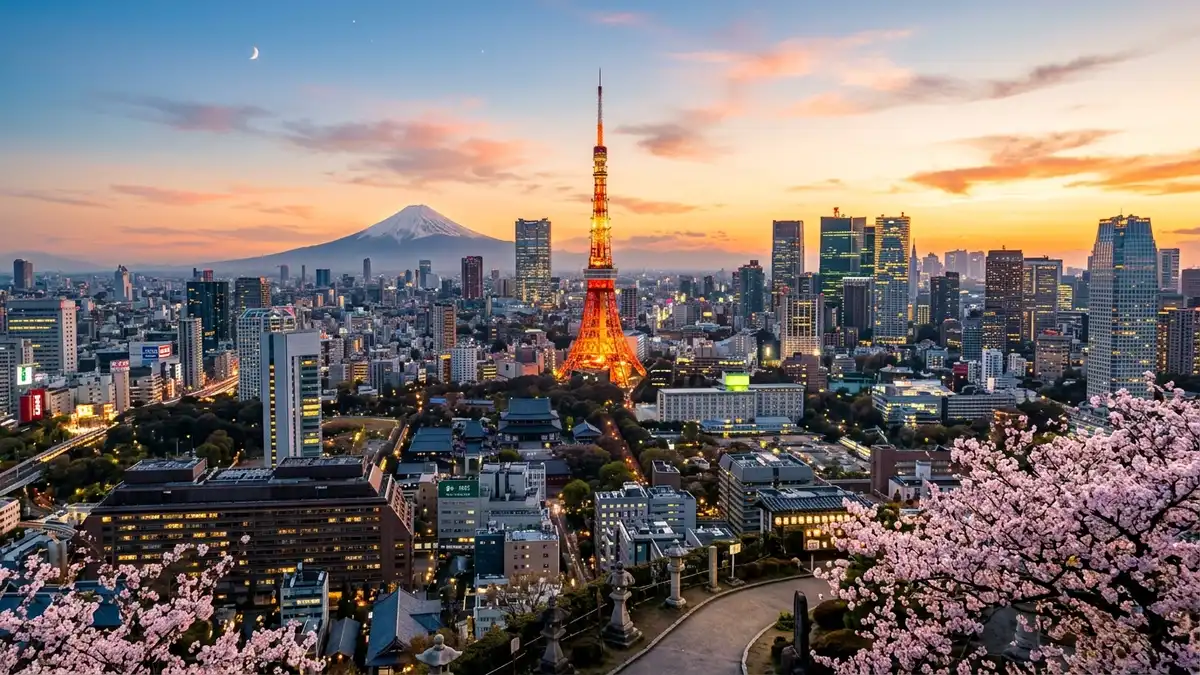
Timing matters enormously here. Late March to early April is cherry blossom season, and it is as magical as advertised — parks like Ueno and Shinjuku Gyoen transform completely. Just know that flights and accommodation prices spike accordingly, and crowds are real. If you want Tokyo at a slightly more relaxed pace, autumn — roughly October to November — brings vivid foliage, comfortable temperatures, and noticeably fewer tourists than the spring peak.
The single best tip for this route? If cherry blossoms are your goal, monitor the Japan Meteorological Corporation's bloom forecasts, which are released each year, and book the moment you have a target window. The season lasts only a couple of weeks, and flexibility of even a few days can make the difference between full bloom and bare branches.