


Route Briefing: Las Vegas to Tokyo
Las Vegas to Tokyo is one of those routes that feels almost poetic in its contrast — you leave behind one of the world's most artificial cities and land in one of its most layered, complex, and endlessly rewarding ones. The journey runs around 11 hours and 30 minutes with a stop, typically connecting through hubs like Los Angeles or San Francisco, where you'll find solid options on Japan Airlines, All Nippon Airways, and United. JAL and ANA in particular are worth seeking out — both carriers consistently deliver exceptional service and comfort even in economy class, which makes a long transpacific haul considerably more bearable.
On the fare side, anything under $700 roundtrip is a genuine win on this route. Standard pricing tends to settle in the $1,000 to $1,400 range, so if you spot something below that threshold, move quickly. Booking three to six months out gives you the best shot at those lower fares, and flexibility on your connection city can open up more competitive options.
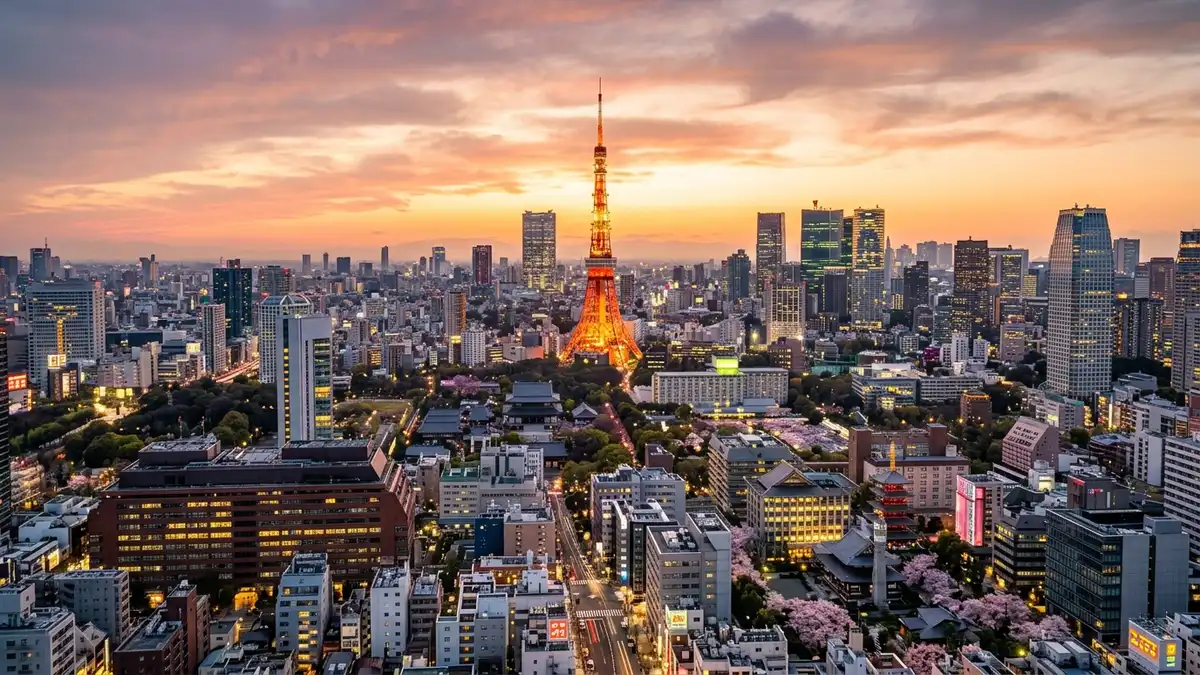
Timing matters enormously here. March and April bring cherry blossom season, arguably the most beautiful few weeks Japan has to offer — parks like Ueno and Shinjuku Gyoen transform into something otherworldly, and the entire city feels celebratory. That said, it's also peak season, so expect higher fares and crowds. If you want Tokyo at a more relaxed pace, the autumn months bring stunning foliage and cooler temperatures without quite the same surge in tourism.
Tokyo itself rewards the curious traveler in ways few cities can match. Ancient temples and shrines sit quietly alongside neon-lit entertainment districts. The food scene is extraordinary at every price point — from Michelin-starred omakase counters to late-night ramen shops that cost almost nothing. Neighborhoods like Shibuya, Shinjuku, Asakusa, and Yanaka each feel like entirely different cities, which means you can spend two weeks here and still feel like you've only scratched the surface.
Arriving at Narita, the Narita Express train connects directly to central Tokyo stations and is the most straightforward option for first-time visitors. Haneda Airport sits closer to the city center and has excellent rail connections as well. Either way, the public transport system is famously efficient, punctual, and easy to navigate even without Japanese language skills.
One tip that genuinely enhances the experience: pick up an IC card like a Suica at the airport. It works on trains, subways, and buses across the city, and you can even use it to pay at convenience stores. It's a small thing that removes a surprising amount of daily friction and lets you move through Tokyo the way locals do.