


Route Briefing: Los Angeles to Dakar
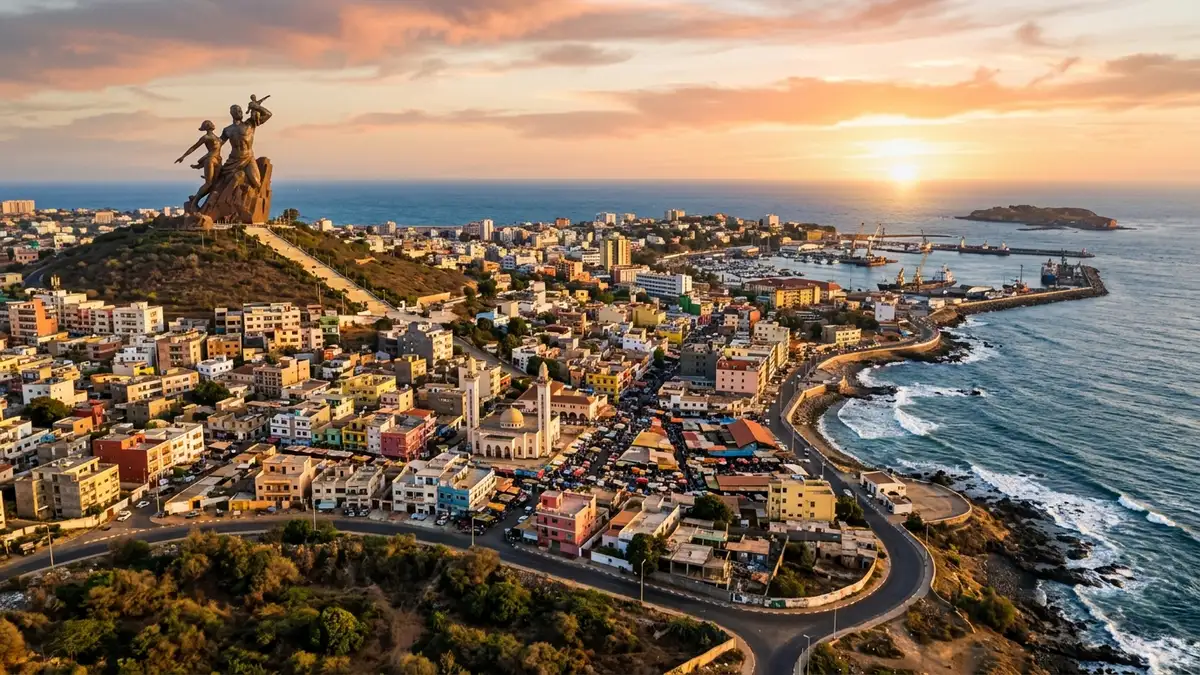
Few routes from Los Angeles open a door quite like this one — nearly nineteen hours of travel separating you from one of West Africa's most electrifying cities, and every minute of the journey worth it. Dakar sits dramatically on the Cap-Vert peninsula, jutting out into the Atlantic as Africa's westernmost point, and that geographic drama sets the tone for everything the city delivers: bold, beautiful, and unlike anywhere else on earth.
The flight itself runs around 18 hours and 30 minutes with a connection, and your routing will almost certainly take you through either Paris Charles de Gaulle or Casablanca Mohammed V — both solid hub airports with reasonable layover amenities. Air France, Delta, and Royal Air Maroc are the carriers most consistently serving this route, and shopping across all three is worth your time. A good deal lands under $900 roundtrip; standard fares push past $1,300, so the spread is significant enough to justify patience. Book three to six months out and check both Paris and Casablanca connections, since one often undercuts the other depending on the season.
Timing matters here. December and January are peak season, drawing visitors during Dakar's dry, cooler months when the weather is genuinely pleasant and the city is buzzing. If you want fewer crowds and lower fares, the shoulder periods on either side of peak can reward flexible travelers, though the rainy season runs roughly July through September and is worth factoring in.
Once you land at Blaise Diagne International Airport, the city center is a meaningful drive away — plan accordingly and arrange your transfer in advance rather than figuring it out on arrival after a long-haul flight.
Dakar itself rewards curiosity. The music scene here is world-renowned — mbalax rhythms pulse through the city and live music is genuinely woven into daily life, not packaged for tourists. The markets are vivid and chaotic in the best way, stacked with textiles, crafts, and the kind of sensory overload that reminds you why you travel. The seafood is exceptional, given the city's Atlantic position, and Senegalese cuisine more broadly — think thiéboudienne, the national rice and fish dish — is something food lovers should come specifically to explore. The Île de Gorée, a short ferry ride from the mainland, carries profound historical weight as a former slave trade hub and is one of the most moving sites in all of West Africa.
The single best tip for this route: treat your layover city as a bonus. A longer connection in Paris or Casablanca, rather than a rushed one, turns a grueling transit into a genuine two-destination trip — and often costs no more than the tighter connection.