


Route Briefing: Mumbai to Tokyo
There's something almost poetic about the Mumbai-to-Tokyo route — two of Asia's most electric megacities, connected by a direct flight of around nine and a half hours. No layovers, no bleary-eyed connections in a third city. Air India, Japan Airlines, and ANA all serve this corridor, and if you're flying JAL or ANA, you're already getting a taste of Japanese hospitality before the wheels touch down. Cabin crew, meal presentation, and general attentiveness on these carriers genuinely set the tone for what awaits you.
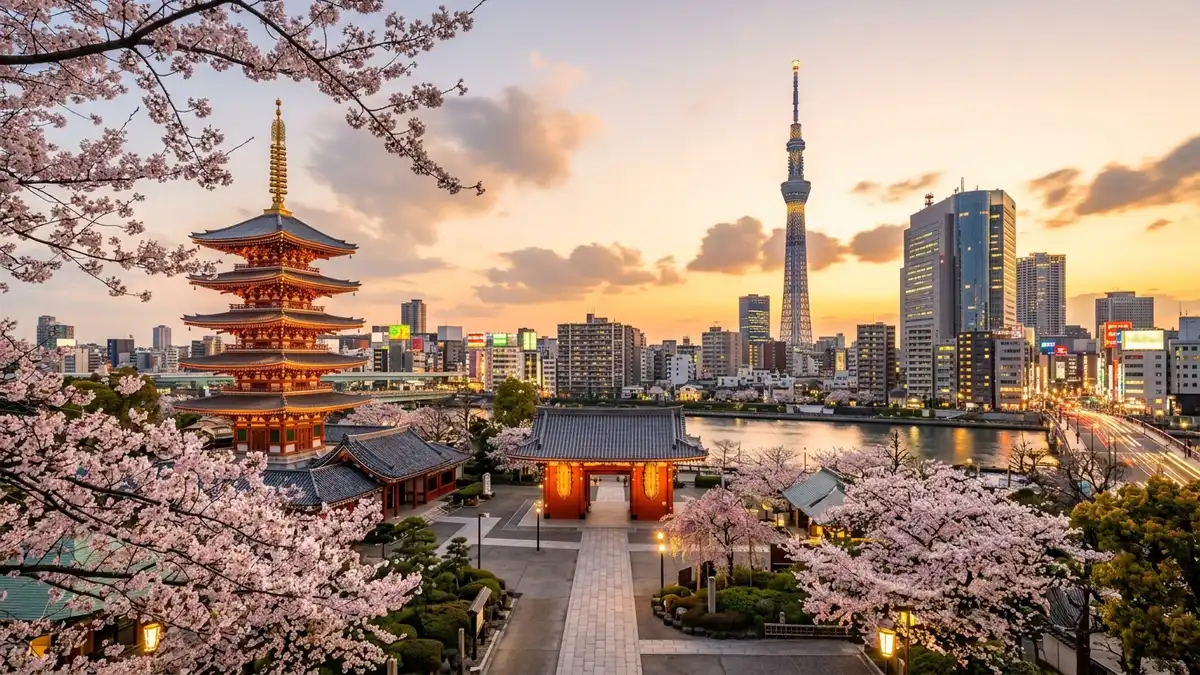
And what awaits you is Tokyo — a city that consistently defies expectations no matter how many times you've read about it. Ancient Shinto shrines sit quietly in the shadow of glass towers. Neighbourhoods like Asakusa feel like a different century entirely, while Shibuya and Shinjuku pulse with a kind of organised, neon-lit energy that's unlike anywhere else on earth. The food culture alone justifies the airfare — Tokyo has more Michelin-starred restaurants than any other city in the world, but equally memorable meals are found in tiny ramen shops and standing sushi counters that cost almost nothing.
From Narita Airport, the Narita Express train connects you directly to central Tokyo stations including Shinjuku and Shibuya, making it one of the more straightforward airport-to-city transfers you'll encounter anywhere. If you land at Haneda, which is closer to the city centre, access is even quicker via the Tokyo Monorail or Keikyu Line.
Timing your trip smartly makes a real difference here. Cherry blossom season — roughly late March through April — is genuinely magical, but it's also peak pricing territory. Roundtrip fares from Mumbai can climb well above a thousand dollars during this window. If you can travel outside of cherry blossom season and avoid Golden Week in late April and early May, you're looking at meaningfully lower fares, with good deals available under seven hundred dollars roundtrip if you book two to four months ahead and fly mid-week.
The single best tip for this route? Get a Suica or Pasmo IC card the moment you arrive. It works on virtually every train, subway, and bus in Tokyo, and you can even use it at convenience stores. Japan's convenience stores — 7-Eleven, Lawson, FamilyMart — are genuinely excellent for quick meals and snacks, and leaning into them keeps daily costs very manageable in an otherwise expensive city. Tokyo rewards the prepared traveller generously.