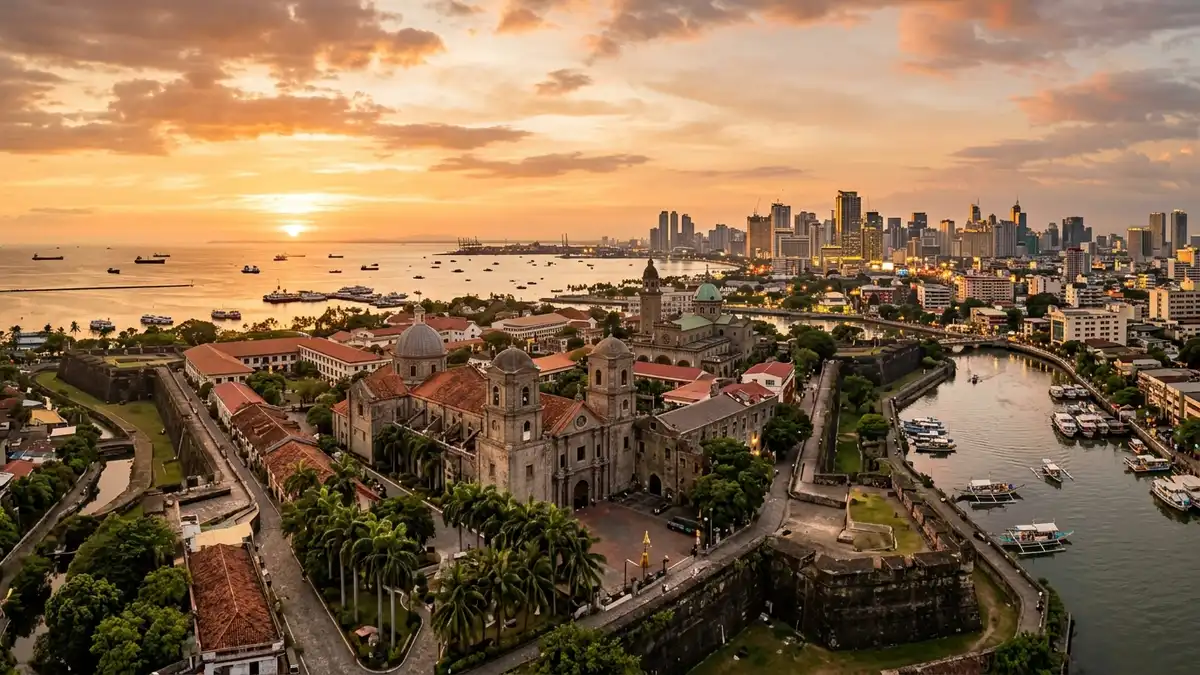



Route Briefing: Atlanta to Manila
Atlanta to Manila is one of those routes that rewards the patient traveler — a long haul, yes, clocking in at around twenty and a half hours with a stop, but what waits on the other end is an archipelago of over seven thousand islands, a capital city that pulses with energy around the clock, and a culture shaped by centuries of Spanish colonial history layered over deep Southeast Asian roots. For a journey this significant, finding a roundtrip fare under nine hundred dollars is genuinely a good deal, and it's achievable if you plan ahead. Standard pricing runs between twelve hundred and sixteen hundred dollars or more, so the savings from booking three to six months in advance are real and worth the calendar discipline.
Korean Air, Philippine Airlines, and Cathay Pacific are the carriers most consistently serving this route, with connections typically routing through Seoul, Tokyo, or Hong Kong. Each hub offers its own appeal if you have a long layover — Seoul's Incheon airport in particular is famously comfortable and well-equipped for a long wait or an overnight.
Manila itself is a city that doesn't ease you in gently. Arriving at Ninoy Aquino International Airport, you'll find metered taxis and ride-hailing apps like Grab readily available for getting into the city, and Grab in particular is a reliable, transparent-pricing option that locals and visitors alike depend on. Traffic in Manila is notoriously heavy, so build extra time into any ground transfer, especially during rush hours.
Once you're settled, the city opens up into something genuinely fascinating. Intramuros, the old walled city built by Spanish colonizers in the sixteenth century, is a living history lesson you can walk through in an afternoon. The food scene is a revelation — Filipino cuisine blends Malay, Spanish, Chinese, and American influences into something entirely its own, and eating your way through the city is one of its great pleasures.
Timing matters here. December and January bring cooler, drier weather and a festive atmosphere, though prices and crowds peak accordingly. June through August is also busy, coinciding with summer travel from the Philippines' large diaspora communities. If you want a quieter, more affordable visit, the shoulder months on either side of these peaks are worth considering, keeping in mind that the Philippines does have a typhoon season that runs roughly from mid-year into the fall.
The smartest money-saving move on this route is flexibility with your connection city. Fares routing through Seoul or Hong Kong frequently undercut other options, so run comparisons across all three hubs before booking. A little extra research at the booking stage can easily save you several hundred dollars — money better spent exploring those seven thousand islands.