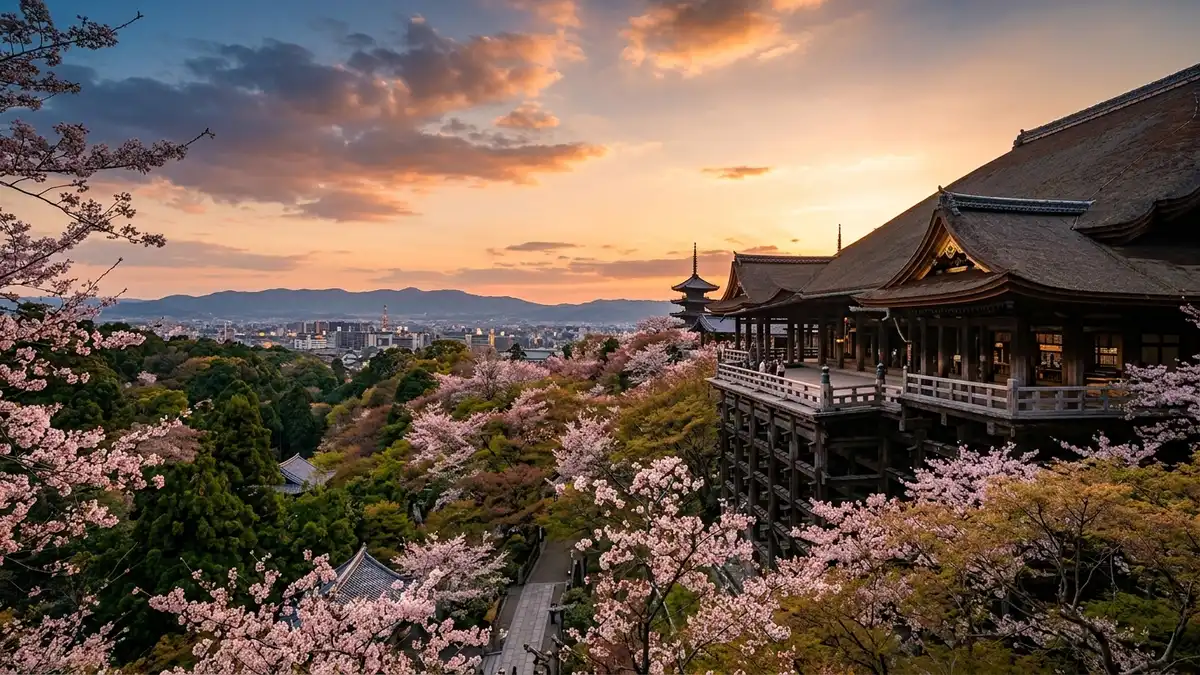



Route Briefing: Honolulu to Kyoto
There's something poetic about flying from one island paradise to another — trading Hawaiian trade winds for the quiet reverence of ancient Kyoto. This route connects two of the world's most culturally rich destinations, and while it takes around ten and a half hours with a connection through Tokyo or Osaka, the journey feels entirely worth it the moment you step into Kyoto's lantern-lit streets.
JAL and ANA are your workhorses on this route, both offering solid service and reliable connections from Honolulu. Hawaiian Airlines operates codeshare arrangements that can occasionally surface competitive fares, so it's worth checking across all three. A roundtrip under $700 is genuinely a great find — standard pricing tends to run between $1,000 and $1,400 or more, so when fares dip, move quickly. Booking three to five months out gives you the best shot at those lower prices, and that lead time becomes especially important if you're targeting cherry blossom season in late March through April, when the entire country seems to hold its breath in collective awe.
Kyoto is Japan's cultural soul in the most literal sense — over a thousand years as the imperial capital left behind more than 2,000 temples and shrines, bamboo groves you'll recognize from a hundred photographs, and the Gion district where the geisha tradition still quietly thrives. Fushimi Inari's thousands of vermillion torii gates, the moss-carpeted grounds of Ryoanji, the golden shimmer of Kinkakuji — these aren't tourist clichés, they're genuinely transformative places. November brings fiery autumn foliage that rivals spring for sheer beauty, and the crowds thin just enough to make it feel personal.
If you connect through Osaka's Kansai International Airport, Kyoto is easily accessible by the Haruka Express train, which runs directly into Kyoto Station — fast, affordable, and stress-free even with luggage. Kyoto Station itself is a destination in its own right, a striking piece of modern architecture that somehow coexists gracefully with the ancient city around it.
One tip that genuinely changes the experience: consider basing yourself in a traditional guesthouse, or ryokan, for at least part of your stay. The combination of tatami floors, futon bedding, and a multi-course kaiseki dinner served in your room is the kind of immersive cultural experience that no hotel, however luxurious, can replicate. Many ryokan are surprisingly accessible in price outside of peak cherry blossom and foliage weekends. Book those well in advance too — the best ones fill up fast, and for good reason.