


Route Briefing: Toronto to Manila
Toronto to Manila is one of those routes that genuinely rewards the effort. Yes, you're looking at around 17 and a half hours in the air with a connection, but what's waiting on the other side is the gateway to over 7,000 islands — a country so varied in landscape, culture, and cuisine that most travellers end up wishing they'd booked a longer trip.
Philippine Airlines flies this route with a certain hometown pride, and connecting through Hong Kong with Cathay Pacific or through Taipei with EVA Air tends to surface some of the most competitive fares. If you can keep your roundtrip under $900, you've found a genuinely good deal — standard pricing runs $1,200 to $1,600 or more, so it's worth being patient and strategic. Book three to six months out, especially if you're eyeing the Christmas and New Year period, when Filipinos travel home in enormous numbers and seats fill fast.
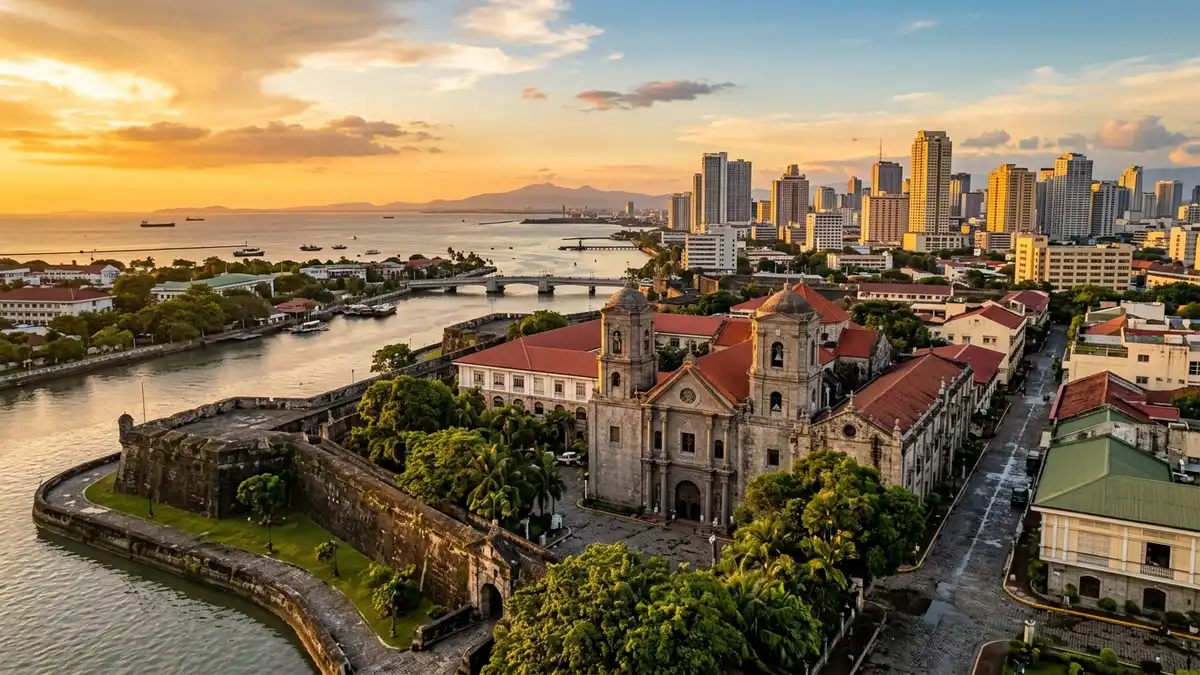
Manila itself is loud, layered, and endlessly alive. The old walled city of Intramuros carries centuries of Spanish colonial history in its stone fortifications and cobblestone streets, while Rizal Park offers a quieter counterpoint right in the heart of the city. The food scene is a genuine highlight — Filipino cuisine blends Malay, Spanish, Chinese, and American influences into something entirely its own, and eating your way through the city is one of the great pleasures of arriving here.
From Ninoy Aquino International Airport, taxis and ride-hailing apps like Grab are the most straightforward ways into the city centre, though traffic in Manila can be formidable, so factor that into your plans. The airport has multiple terminals, so confirm which one your airline uses before you land.
Timing matters more here than on most routes. December and January bring festive energy but also peak prices and crowds. June through August is popular with travellers on summer holidays, so fares climb again. If flexibility is on your side, the shoulder months — think February through May — can offer a quieter, more affordable experience, though the heat and humidity ramp up considerably by April and May.
The smartest tip for this route: use Manila as a launching pad rather than a final destination. Domestic flights within the Philippines are relatively affordable and frequent, opening up the beaches of Palawan, the rice terraces of the Cordillera, or the diving waters of Tubbataha. Getting to Manila is the hardest part — once you're there, the rest of the archipelago becomes surprisingly accessible.